Makhwaen fruit (ผลมะแขว่น)
ingredient / ingredient-makhwaen-fruit
マクウェンの実 / Zanthoxylum myriacanthum Wall. ex Hook. f.
Fruit of the Makhwaen tree, used fresh or dried as a condiment/spice in Northern Thai cooking, notably as a key ingredient in the chili paste (พริกลาบ) used to season Northern-style larb. Sold in local markets fresh and dried per a Thai Community Product Standard (2006, per the peer-reviewed taxonomic paper's citation of the Thai Industrial Standards Institute).
Photographs (captions in Japanese)
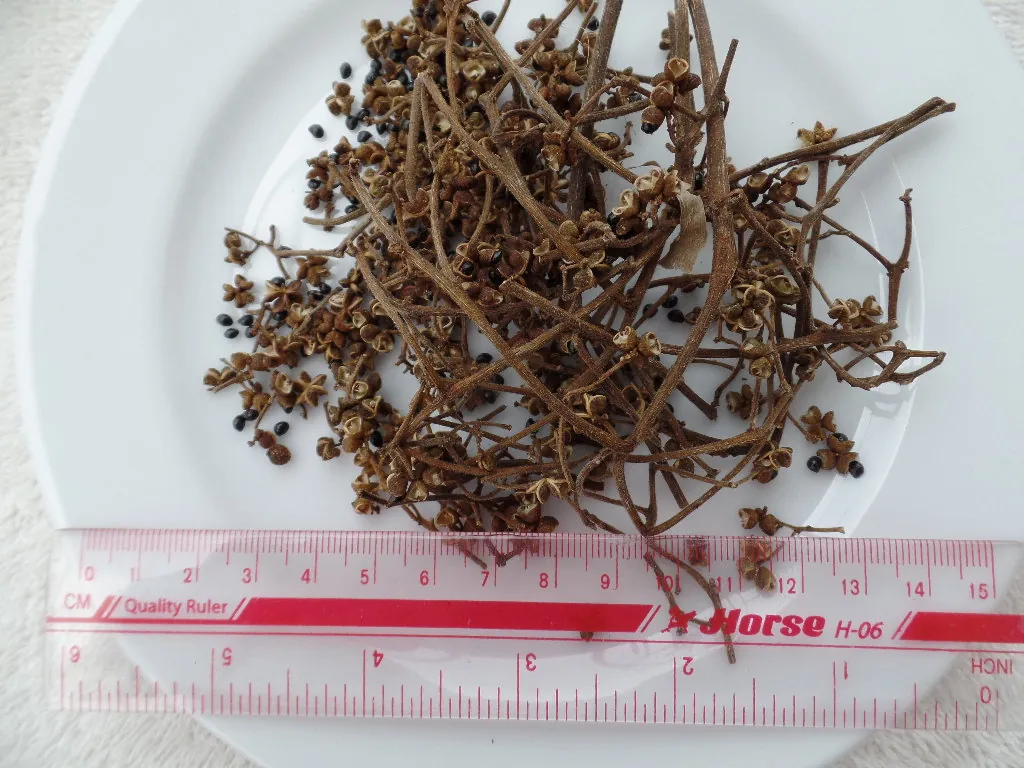
มะแขว่น(マクウェン)の果実。ファイルページ自体がタイ語表記「มะแขว่น」を掲げ、学名は Zanthoxylum limonella と記載している。タイ北部料理で香辛料として使われ、ラープ用のプリック・ラープにも用いられる。
写っているもの: 原典は Zanthoxylum limonella 名義で記載(มะแขว่น/マクウェンの果実)。当ラボは学術文献に基づき同種を Zanthoxylum myriacanthum として登録しており、มะแขว่น の学名は情報源間で不一致がある。部位・状態: 果実
写真: Seligne/ Public domain/ 原画像/ 台帳の原画像
写真の範囲と来歴
被写体の確認: 原典の記載による同定。原典の学名表記(Zanthoxylum limonella)と当ラボの登録種名(Zanthoxylum myriacanthum)は異なる。มะแขว่น の学名を巡る情報源間の不一致は既知(organism-zanthoxylum-myriacanthum の記録を参照)。
掲載画像: Wikimedia Commons の原寸ファイル。苦味研究所では切り抜き・色調変更なし。 表示用には幅1200px上限のWebPを配信し、台帳の原画像は上のリンクから確認できます。
On this page (10 sections)
Reading the bitterness
Makhwaen (มะแขว่น, Zanthoxylum myriacanthum) is a spice fruit used in Northern Thai cuisine. A 2009 taxonomic survey (Table 1) records its fruit as used as a 『商業的な調味料(condiment, commercial)』 (in translation: "commercial condiment"). This is described as a different use from Z. armatum, whose leaves and bark are boiled for toothache pain relief.
According to a footnote in the same survey, local people sell makhwaen fruit both fresh and dried in markets, described as being under the Thai Industrial Standards Institute’s 『コミュニティ製品標準2006』 (in translation: "Community Product Standard 2006"). The standard itself was not independently checked for this account; the information is treated as a citation within the taxonomic paper.
A government extension resource explains that Northern-style larb gets its distinctive bold flavor and aroma from the chili-paste seasoning called prik larb, to which makhwaen is added as the 『主役(ตัวชูโรง)』 (in translation: "star ingredient"). This is a general description of larb, not a recipe study with measured quantities or an identification of a particular cultivar.
The same resource describes makhwaen as having a pungent, strong aroma, mild heat (รสเผ็ดร้อนเล็กน้อย), and a 『痺れを伴う辛さ(เผ็ดชา)』 (in translation: "numbing spiciness"). It says that cooking with it produces heat and numbness on the tongue, a sensation Northern Thai speakers call 『デーオリン(เด้าลิ้น、舌の跳ね返り)』 (in translation: "dao lin, tongue rebound"). These are descriptions of heat and numbness, not bitterness. The source contains no chemical analysis, including of sanshools, and this account does not link the numbness to a particular compound.
Sources for this overview
Notes on Spice Plants in the Genus Zanthoxylum (Rutaceae) in Northern Thailand
Checked for this overview: Confirmed the record of the fruit’s use as a commercial condiment. / Confirmed the description of market sales under a Community Product Standard.
"มะแขว่น" สุดยอดเครื่องเทศล้านนา อร่อยลิ้นชา นานาประโยชน์
Checked for this overview: Confirmed the extension resource’s description of makhwaen as a key ingredient in prik larb. / Confirmed the sensory description distinguishing heat and numbness from bitterness.
Other names: ผลมะแขว่น (th)
Follow the connections
Zanthoxylum myriacanthum (Ma-Kwaen / มะแขว่น) →The fruit of is used as→ Makhwaen fruit (ผลมะแขว่น)
Makhwaen fruit (ผลมะแขว่น) →is used in→ Larb (ลาบ)
Makhwaen fruit (ผลมะแขว่น) →has a defining sensory theme→ numbing
Hypotheses and recipe candidates for this entry are on the Japanese page.
Structured claims — open a section to read each claim's confidence, evidence and limits
Composition and content (1)
Scope: Peer-reviewed taxonomic survey, Table 1 (uses column)
Note: Table 1 lists the use of Z. myriacanthum as 'Fruits: condiment (commercial)', distinguishing fruit use from Z. armatum (leaves and bark boiled for toothache pain relief).
Show data
organism-zanthoxylum-myriacanthum —has_fruit_used_as→ ingredient-makhwaen-fruitSensory (1)
Scope: Government extension knowledge-page description, not a controlled sensory panel
Note: Narrative/extension-page sensory description, not a psychophysical or panel study; per the research protocol, kept at contextual rather than supported. No chemical assay (e.g. sanshool content) is claimed here or connected to hydroxy-α-sanshool; that compound link is not supported by any source collected and is deliberately not claimed.
Show data
ingredient-makhwaen-fruit —has_defining_sensory_theme→ sensation-numbingHow processing and cooking change it (1)
Scope: Northern Thai (Lanna) larb, general (not larb khom specifically)
Note: Extension/agricultural-outreach page, not a recipe study with measured proportions; general statement about Northern larb, does not specifically name dish-larb-khom.
Show data
ingredient-makhwaen-fruit —is_used_in→ dish-larbSafety and regulation (1)
Scope: Northern Thailand local markets
Show data
ingredient-makhwaen-fruit —is_used_as→ "Fresh and dried fruits are sold in markets by local people under a Thai Community Product Standard 2006 (Thai Industrial Standards Institute, Ministry of Industry), per the peer-reviewed taxonomic survey's footnote."