มะแขว่นの香りとしびれの成分研究は何を示しているか編集仮説
มะแขว่น(マクウェン)の果実について、香気やしびれの感覚に関わる成分の研究は、どの種のどの部位を、どんな方法で調べているのだろうか?
由来: 編集部が立てた問い
注記: 編集部の問い。タイ農業局の総説に成分・作用の章があることを確認済みだが、当該領域の主張化は一次資料の全文精読後に行う。
仮説は事実主張ではありません。面白さを探索の入口として保存し、これから資料・聞き書き・観察で確かめます。
食材
Makhwaen fruit (ผลมะแขว่น) / Zanthoxylum myriacanthum Wall. ex Hook. f.
マクウェンの実は、Fruit of the Makhwaen tree, used fresh or dried as a condiment/spice in Northern Thai cooking, notably as a key ingredient in the chili paste (พริกลาบ) used to season Northern-style larb. Sold in local markets fresh and dried per a Thai Community Product Standard (2006, per the peer-reviewed taxonomic paper's citation of the Thai Industrial Standards Institute).。
写真で見る
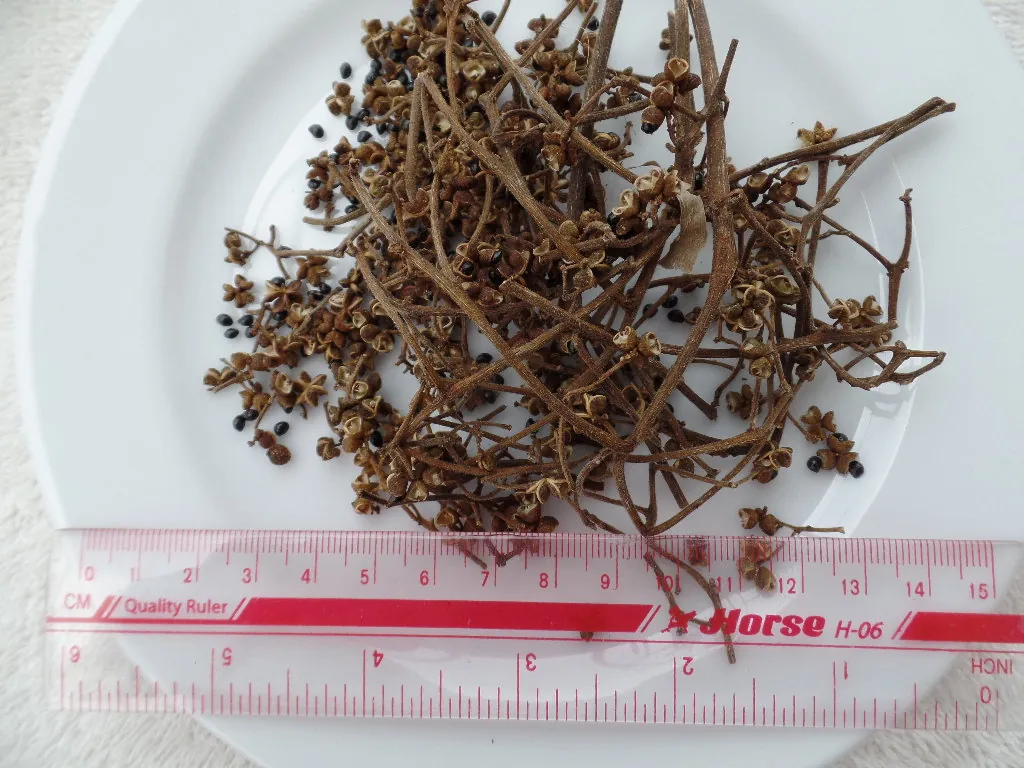
มะแขว่น(マクウェン)の果実。ファイルページ自体がタイ語表記「มะแขว่น」を掲げ、学名は Zanthoxylum limonella と記載している。タイ北部料理で香辛料として使われ、ラープ用のプリック・ラープにも用いられる。
写っているもの: 原典は Zanthoxylum limonella 名義で記載(มะแขว่น/マクウェンの果実)。当ラボは学術文献に基づき同種を Zanthoxylum myriacanthum として登録しており、มะแขว่น の学名は情報源間で不一致がある。部位・状態: 果実
写真: Seligne/ Public domain/ 原画像/ 台帳の原画像
被写体の確認: 原典の記載による同定。原典の学名表記(Zanthoxylum limonella)と当ラボの登録種名(Zanthoxylum myriacanthum)は異なる。มะแขว่น の学名を巡る情報源間の不一致は既知(organism-zanthoxylum-myriacanthum の記録を参照)。
掲載画像: Wikimedia Commons の原寸ファイル。苦味研究所では切り抜き・色調変更なし。 表示用には幅1200px上限のWebPを配信し、台帳の原画像は上のリンクから確認できます。
食材 / ingredient-makhwaen-fruit
↑苦味を読む
マカーウェン(มะแขว่น、Zanthoxylum myriacanthum)は、北タイ料理で使われる香辛料の果実である。2009年の分類学的調査(Table 1)は、同種の果実の用途を『商業的な調味料(condiment, commercial)』と記録しており、これは葉と樹皮を歯痛の鎮痛に煎じて用いるZ. armatumとは異なる利用形態だとされる。
同調査の脚注によれば、マカーウェンの果実は生・乾燥の両方の形で地元の人々により市場で販売されており、これはタイ工業標準局(タイ産業省)による『コミュニティ製品標準2006』に基づくとされる。ただしこの標準文書そのものはこのwaveでは独自に確認されておらず、分類学的論文内での引用として扱う。
行政の普及啓発資料は、北タイ風ラープの際立った風味と香りは、プリックラープと呼ばれる唐辛子ペースト調味料に由来し、そこにマカーウェンが『主役(ตัวชูโรง)』として加えられていることによると説明する。この資料はラープ一般についての記述であり、分量を測定したレシピ研究ではなく、特定の品種を名指ししたものでもない。
同資料はマカーウェンの感覚的特徴として、刺激的で強い香り、軽い辛味(รสเผ็ดร้อนเล็กน้อย)、そして『痺れを伴う辛さ(เผ็ดชา)』を挙げる。調理に使うと舌に辛さと痺れが生じ、北タイの人々はこれを『デーオリン(เด้าลิ้น、舌の跳ね返り)』と呼ぶという。ここで記述されているのは辛味と痺れの感覚であり、苦味についての記述ではない。化学成分(サンショオールなど)の分析はこの資料には含まれておらず、痺れ成分に関する化合物との関連づけはこのwaveでは行わない。
Notes on Spice Plants in the Genus Zanthoxylum (Rutaceae) in Northern Thailand
この本文で確認した範囲: 果実が商業的調味料として利用される記録を確認した/コミュニティ製品標準に基づく市場販売の記述を確認した
"มะแขว่น" สุดยอดเครื่องเทศล้านนา อร่อยลิ้นชา นานาประโยชน์
この本文で確認した範囲: プリックラープの主役とする普及啓発資料の記述を確認した/辛味と痺れを苦味と区別する感覚記述を確認した
別名: ผลมะแขว่น(th)
มะแขว่น(マクウェン)の果実について、香気やしびれの感覚に関わる成分の研究は、どの種のどの部位を、どんな方法で調べているのだろうか?
由来: 編集部が立てた問い
注記: 編集部の問い。タイ農業局の総説に成分・作用の章があることを確認済みだが、当該領域の主張化は一次資料の全文精読後に行う。
仮説は事実主張ではありません。面白さを探索の入口として保存し、これから資料・聞き書き・観察で確かめます。
構造化された主張 — 節を開くと、主張ごとの確度・根拠・限界が読めます
範囲: Peer-reviewed taxonomic survey, Table 1 (uses column)
注記: Table 1 lists the use of Z. myriacanthum as 'Fruits: condiment (commercial)', distinguishing fruit use from Z. armatum (leaves and bark boiled for toothache pain relief).
organism-zanthoxylum-myriacanthum —has_fruit_used_as→ ingredient-makhwaen-fruit範囲: Government extension knowledge-page description, not a controlled sensory panel
注記: Narrative/extension-page sensory description, not a psychophysical or panel study; per the research protocol, kept at contextual rather than supported. No chemical assay (e.g. sanshool content) is claimed here or connected to hydroxy-α-sanshool; that compound link is not supported by any source collected and is deliberately not claimed.
ingredient-makhwaen-fruit —has_defining_sensory_theme→ sensation-numbing範囲: Northern Thai (Lanna) larb, general (not larb khom specifically)
注記: Extension/agricultural-outreach page, not a recipe study with measured proportions; general statement about Northern larb, does not specifically name dish-larb-khom.
ingredient-makhwaen-fruit —is_used_in→ dish-larb範囲: Northern Thailand local markets
ingredient-makhwaen-fruit —is_used_as→ "Fresh and dried fruits are sold in markets by local people under a Thai Community Product Standard 2006 (Thai Industrial Standards Institute, Ministry of Industry), per the peer-reviewed taxonomic survey's footnote."