absinthin
compound / compound-absinthin
アブシンチン
Absinthin is a dimeric bitter sesquiterpene lactone derived from wormwood. Associated with the bitterness of absinthe and vermouth-class beverages.
Photographs (captions in Japanese)
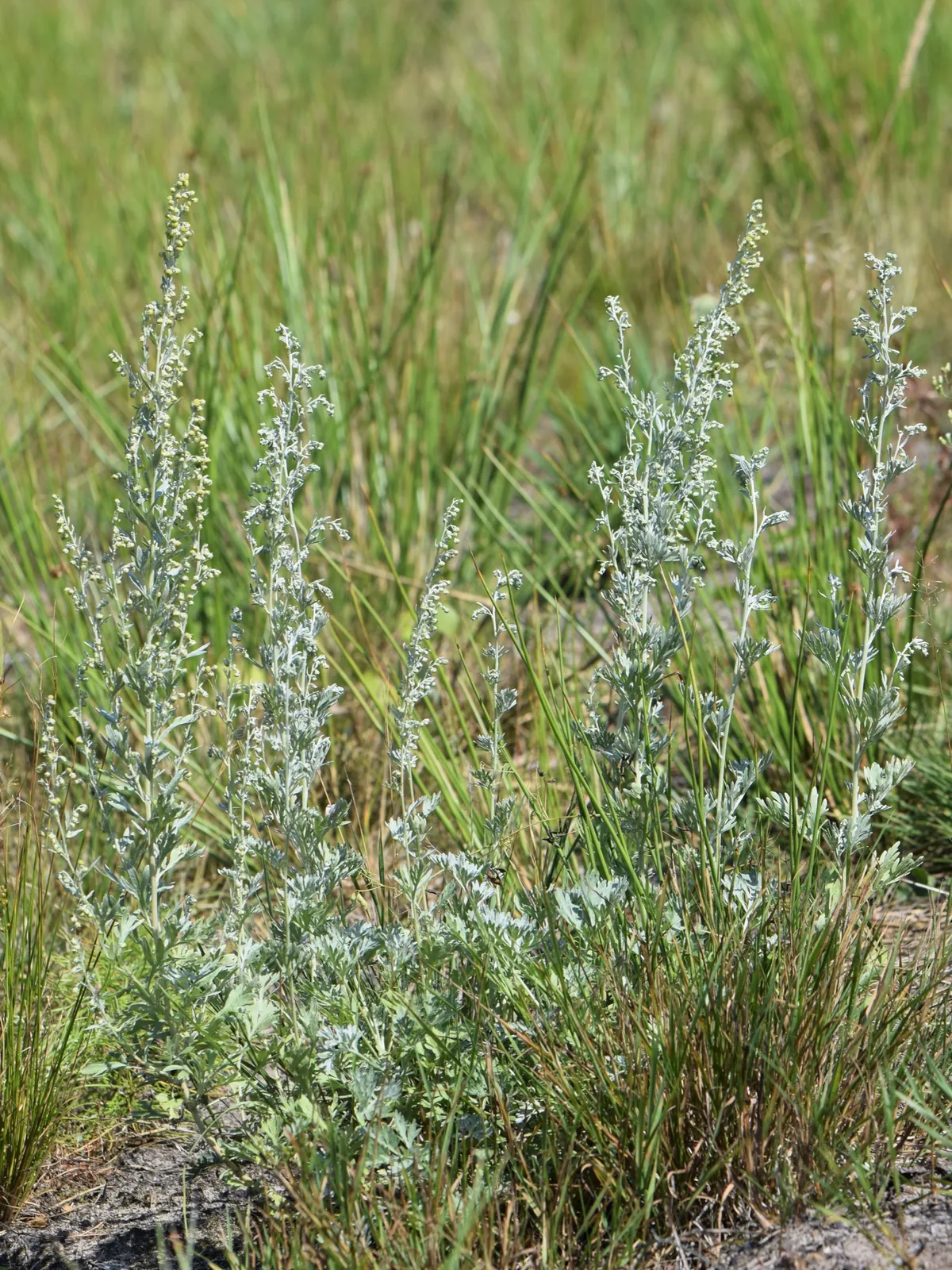
ニガヨモギ(Artemisia absinthium)の地上部。absinthin はこの植物由来の苦味セスキテルペンラクトン二量体であり、化合物そのものの写真ではなく給源植物の写真である。
原料写っているもの: Artemisia absinthium(ニガヨモギ)部位・状態: 地上部の株
写真: Krzysztof Ziarnek, Kenraiz/ CC BY-SA 4.0/ 原画像/ 台帳の原画像
写真の範囲と来歴
被写体の確認: 原典の記載による同定。ingredient-bask・compound-thujone で使用した写真とは別ファイル(重複回避)。
掲載画像: Wikimedia Commons の原寸ファイルを sips で長辺2400pxに縮小。苦味研究所では切り抜き・色調変更なし(リサイズのみ)。 表示用には幅1200px上限のWebPを配信し、台帳の原画像は上のリンクから確認できます。
On this page (8 sections)
Reading the bitterness
Absinthin is a bitter sesquiterpene lactone derived from wormwood, known to be a dimer (a structure in which two molecules are joined together). It is a compound discussed in connection with the bitterness of beverages such as absinthe and vermouth, and appears by name in a review table summarizing bitter compounds and their source plants — recorded as a sesquiterpene lactone from wormwood. This record comes from the review table, not from a primary analysis that directly measured the contents.
At the receptor level, absinthin is registered in pharmacology databases as an agonist of the human bitter receptor TAS2R46, with an affinity value documented as approximately 10 µM. A separate review summarizes that absinthin activates not only TAS2R46 but also TAS2R10, TAS2R14, and TAS2R47 in the 0.1–100 µM range. However, the primary research on which these values are based has not yet been read in full.
In a study where wormwood extract (abundant in absinthin) was microencapsulated in alginate microparticles and incorporated into biscuits, a panel test with 50 consumers found no difference in overall sensory acceptability between the biscuits containing the microencapsulated extract and control biscuits without it. The amount of absinthin remaining in the biscuits was quantified by HPLC-DAD as 356.8 ± 1.0 ng/g, with the coexisting anabsinthin quantified as 45.0 ± 1.5 ng/g.
Sources for this overview
Checked for this overview: Listed in review table as a sesquiterpene lactone from wormwood / Review summary of activation of TAS2R10, TAS2R14, TAS2R46, and TAS2R47 in the 0.1–100 µM range
IUPHAR/BPS Guide to PHARMACOLOGY: TAS2R46 (target 679) interaction records
Checked for this overview: Pharmacology database registration as a TAS2R46 agonist and affinity documentation
Checked for this overview: Reservation: primary research background for TAS2R46 broad-spectrum activation has unread sections
Checked for this overview: Quantified residual amount after microencapsulation and panel sensory acceptability results
Structured claims — open a section to read each claim's confidence, evidence and limits
Composition and content (1)
Scope: A review summary (Table 1 of a 2026 review on the receptor pharmacology of bitter compounds in herbs and spices).
Show data
ingredient-wormwood —contains→ compound-absinthinMechanism and receptors (1)
Scope: A curated and review-level summary of heterologous-expression receptor assays
Note: The individual values from the primary paper (Brockhoff 2007) are not in the abstract, and the full text has not been read. The gap between the receptor set given by the curation (46 only) and the review (10/14/46/47) is kept as is.
Show data
compound-absinthin —activates→ receptor-tas2r46How processing and cooking change it (1)
Scope: Layer: food. Wormwood ethanol-extract-derived absinthin, alginate microencapsulation (ionic gelation), incorporation into biscuits, consumer panel acceptance questionnaire (n = 50), and HPLC-DAD quantification of residual amount.
Show data
compound-absinthin —has_perceived_bitterness_suppressed_by→ "Wormwood extract abundant in absinthin was microencapsulated in alginate microparticles and incorporated into biscuits; in a panel test with 50 consumers, there was no difference in overall acceptability compared to biscuits without the microencapsulated extract. The absinthin content remaining in the biscuits was quantified by HPLC-DAD as 356.8 ± 1.0 ng/g (anabsinthin: 45.0 ± 1.5 ng/g)."