Carciofo Spinoso di Sardegna
ingredient / ingredient-artichoke-sardegna
サルデーニャ棘アーティチョーク / Cynara scolymus L.
Carciofo Spinoso di Sardegna is a food defined by a PDO specification as the spiny artichoke produced in Sardinia.
Photographs (captions in Japanese)
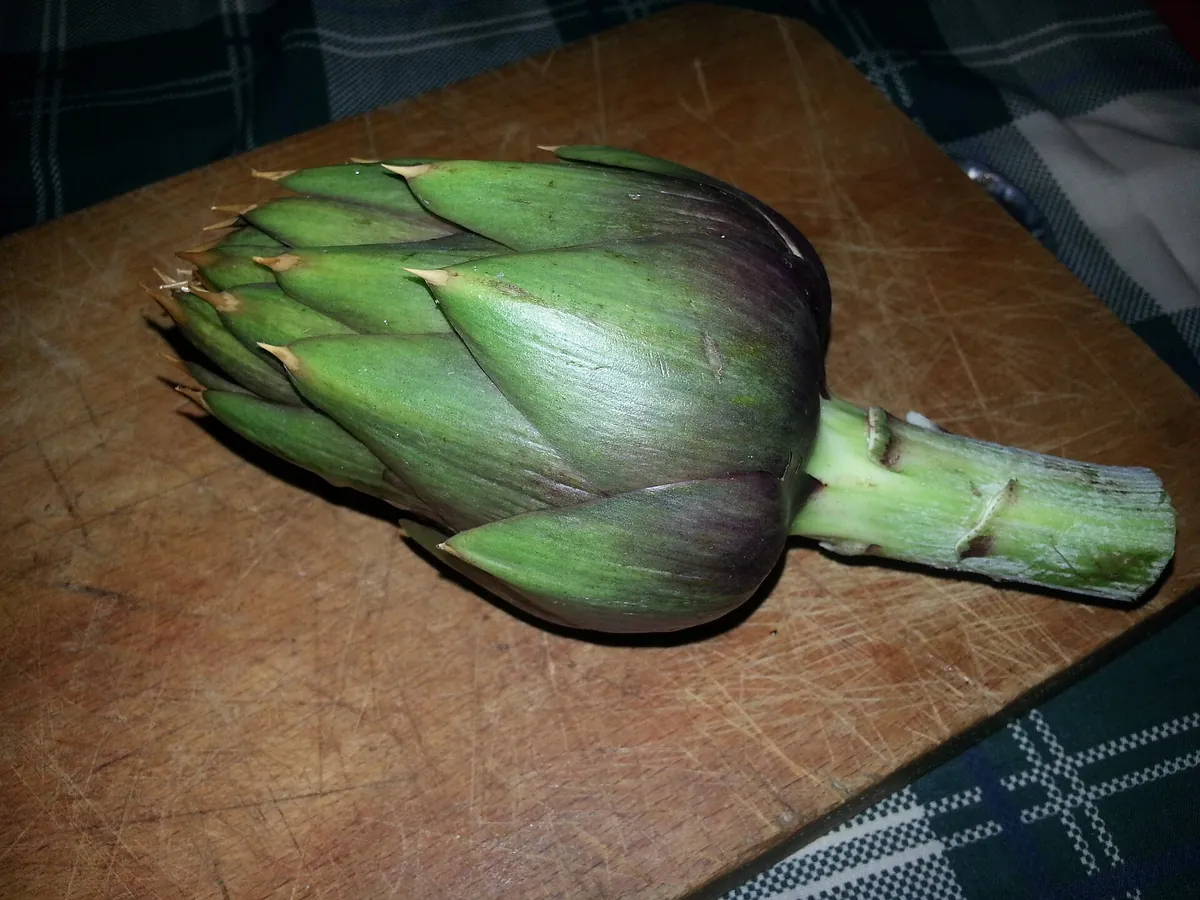
棘のある苞葉を持つアーティチョーク(Cynara cardunculus)の花蕾。Carciofo Spinoso di Sardegna はこの棘アーティチョーク系統の中でサルデーニャ産のものを指す地理的表示だが、本写真から産地・PDO適合を確認することはできない。
写っているもの: Cynara cardunculus部位・状態: 収穫直後と見られる、棘のある苞葉を持つアーティチョークの花蕾一個。茎付きのまま切断面を見せている
写真: Assianir/ CC BY-SA 3.0/ 原画像/ 台帳の原画像
写真の範囲と来歴
被写体の確認: 原典の記載による同定。原典キャプションは「棘の目立つアーティチョーク(Carciofo con spine evidenti)」とのみ記載し、産地の言及はない。Carciofo Spinoso di Sardegna(サルデーニャ棘アーティチョーク、PDO)としての産地・規格適合は写真からは判定できず、専門家による再同定も行っていない。棘のある品種系統の一例として掲載する。
掲載画像: Wikimedia Commons の1920px版。苦味研究所では切り抜き・色調変更なし。 表示用には幅1200px上限のWebPを配信し、台帳の原画像は上のリンクから確認できます。
On this page (6 sections)
Reading the bitterness
Carciofo Spinoso di Sardegna (Sardinian spiny artichoke) is a food covered by the EU PDO for the spiny Sardinian type of Cynara scolymus. The EU sensory specification describes its taste as full-bodied and states that polyphenol derivatives and cynarin balance bitterness and sweetness.
The same specification also describes astringency. It states that the puckering astringency produced by tannins, natural constituents of the artichoke, is largely imperceptible because sweetness from carbohydrates offsets it. The specification treats bitterness and astringency as separate sensations. These are sensory descriptions in an EU protected designation of origin specification, however, not data from an independent sensory test.
Sources for this overview
Single document: Carciofo Spinoso di Sardegna PDO
Checked for this overview: Confirmed the extent to which the PDO sensory specification links the balance of bitterness and sweetness to constituents. / Confirmed the sensory-specification statement that sweetness offsets astringency, and that the source is a standards document.
Structured claims — open a section to read each claim's confidence, evidence and limits
Composition and content (1)
Scope: Original Italian disciplinare, Art.2 Chimiche.
Note: A chemical minimum in a specification, not a measurement from an individual analytical paper; contextual under research protocol §3. The same article specifies carbohydrates of at least 2.5 g/100 g and sodium of at most 0.125 g/100 g, excluded because they are not directly related to bitterness.
Show data
ingredient-artichoke-sardegna —has_composition→ "At least 50 mg of polyphenols per 100 g of fresh substance (the specified minimum)."Sensory (2)
Scope: The EU PDO sensory specification
Note: The causal link to the compounds is recorded as the specification document's own explanation.
Show data
ingredient-artichoke-sardegna —has_sensory_attribute→ "A balance of bitterness and sweetness attributed to polyphenol derivatives and cynarin"Scope: EU PDO sensory specification
Note: Bitterness and astringency were made separate claims so they are not treated as identical.
Show data
ingredient-artichoke-sardegna —has_sensory_attribute→ "Tannin-derived astringency is offset by sweetness and is less noticeable."