Cicoria di catalogna frastagliata di Gaeta (Puntarelle)
ingredient / ingredient-catalogna-gaeta-puntarelle
ガエータのカタロニア風チコリ(プンタレッレ) / Cichorium intybus L.
Cicoria di catalogna frastagliata di Gaeta (Puntarelle) is a Gaeta ecotype of catalogna chicory listed among the traditional agricultural and food products (PAT) of Lazio. Like a separate Puglian line, its flower stalks (puntarelle) are used, but it has a different registration and growing area. The official production-area list names Formia, Gaeta, and Santa Marinella; a tourism-office account also mentions Fondi. These are separate sources.
Photographs (captions in Japanese)
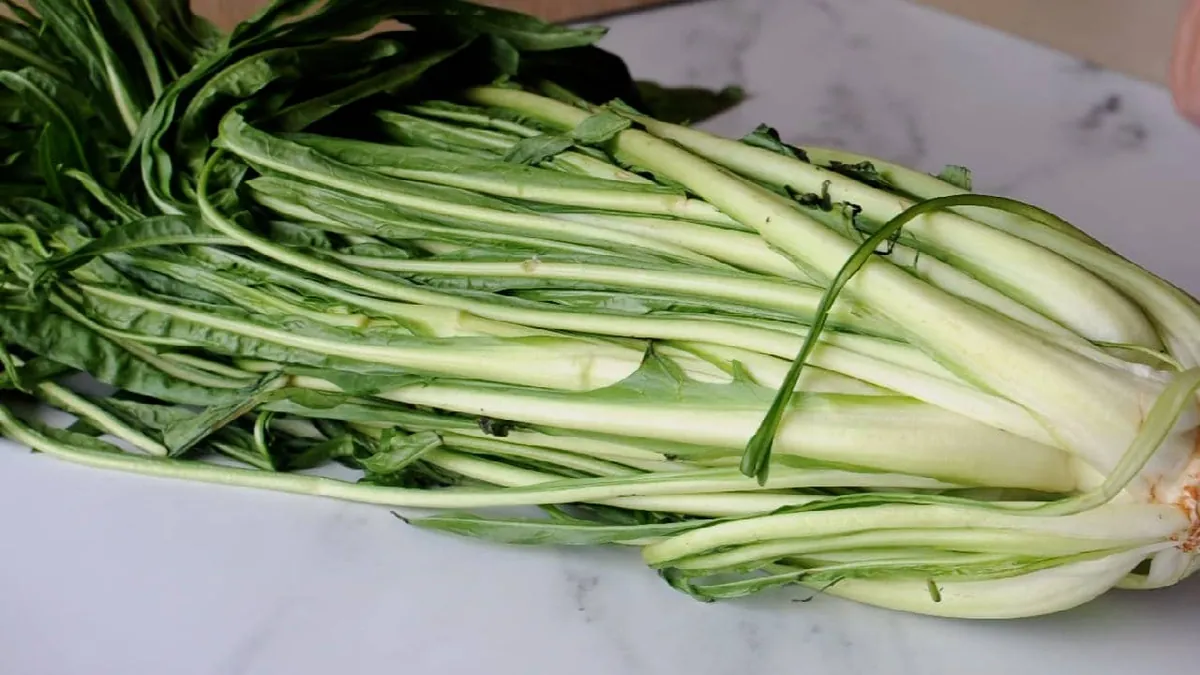
「Puntarelle di Gaeta Lazio with long shoots」とファイルページに明記された、ガエータ産プンタレッレ(伸びた花茎)の実物写真。
写っているもの: Cichorium intybus L.部位・状態: 花茎(プンタレッレ)
写真: Lauragiuntatobin/ CC BY-SA 4.0/ 原画像/ 台帳の原画像
写真の範囲と来歴
被写体の確認: 原典の記載による同定。
掲載画像: リサイズ・トリミング・色調変更なし。Wikimedia Commons のオリジナル画像をそのまま使用。 表示用には幅1200px上限のWebPを配信し、台帳の原画像は上のリンクから確認できます。
On this page (9 sections)
Reading the bitterness
Annex I to the 2024 national list of traditional agricultural and food products (PAT) for Lazio registers "Cicoria di catalogna frastagliata di Gaeta (Puntarelle)" (in translation: "fringed catalogna chicory of Gaeta (puntarelle)") as item No. 156. The listing gives only the product name and does not specify sensory characteristics. The same list has no standalone generic entry such as Puglia’s No. 99 "cicoria selvatica" (in translation: "wild chicory"); it registers the name of the cultivated type. The original source URL could not be checked at present, so the listing was verified through an archive.
According to the 『Natura in Campo』 (in translation: "Nature in the Field") brand introduction on the official site of Lazio’s regional nature-reserve agency, the production area is Formia and Gaeta in Latina Province and Santa Marinella in Rome Province. Seeds are sown in beds from late June to mid-July, and harvest begins 40–45 days after transplanting. Plants are described as elongated (about 40–50 cm), pale green, and bearing upright flower stalks (puntarelle).
『Cicoria di catalogna frastagliata di Gaeta (puntarelle)』 (in translation: "fringed catalogna chicory of Gaeta (puntarelle)") is registered in the Lazio PAT list, which had 492 products as of 2025, under the 「野菜製品」 (in translation: "vegetable products") category. The GI "Cicoria puntarelle molfettese" (in translation: "Molfetta puntarelle chicory"), under application in Puglia, is a separate product in a different region and registration framework; the two should not be confused.
According to an official Rome tourism-office article, the inner young flower stalks (puntarelle) are freed of their outer leaves, soaked in ice water until they curl naturally, then tossed with a dressing of crushed garlic and anchovies, olive oil, white wine vinegar, salt, and pepper to make the raw Roman-style salad 「プンタレッレ・アッラ・ロマーナ」 (puntarelle alla romana). The article describes puntarelle as young flower stalks of catalogna chicory from Gaeta, Formia, and Fondi, also called "cicorione" (in translation: "large chicory") locally.
Sources for this overview
Checked for this overview: Confirmed the Lazio PAT listing as item No. 156.
Cicoria di catalogna frastagliata di Gaeta (puntarelle)
Checked for this overview: Confirmed the production area and descriptions of sowing and time to harvest.
Prodotti agroalimentari tradizionali laziali
Checked for this overview: Confirmed the PAT category and its distinction from the Puglian product.
Checked for this overview: Confirmed the dressing ingredients for Roman-style puntarelle salad.
Other names: Puntarelle (it), Cicorione (it, identification medium)
Follow the connections
puntarelle alla romana →includes→ Cicoria di catalogna frastagliata di Gaeta (Puntarelle)
Structured claims — open a section to read each claim's confidence, evidence and limits
How processing and cooking change it (1)
Scope: An introduction on the official Rome tourism-office site.
Note: A general description for tourists; exact quantities and soaking duration are not specified.
Show data
dish-puntarelle-alla-romana —includes→ ingredient-catalogna-gaeta-puntarelleSafety and regulation (2)
Scope: Elenco nazionale dei prodotti agroalimentari tradizionali, Lazio section (2024).
Note: The listing gives only a product name and no sensory specification. The Lazio section has no generic standalone "cicoria selvatica" (in translation: "wild chicory") entry comparable to Puglia’s No. 99; only the cultivated-type name (catalogna frastagliata) is registered.
Show data
ingredient-catalogna-gaeta-puntarelle —is_registered_as→ "Registered in the Lazio section of the national traditional-food (PAT) list, in the "Prodotti vegetali allo stato naturale o trasformati" (in translation: "plant products in natural or processed form") category, as item No. 156, "Cicoria di catalogna frastagliata di Gaeta (Puntarelle)" (in translation: "fringed catalogna chicory of Gaeta (puntarelle)")."Scope: Lazio PAT list, one of 492 products as of 2025.
Note: This is a separate product in another region and registration from the Puglian GI application 『Cicoria puntarelle molfettese』 (in translation: "Molfetta puntarelle chicory"); they should not be confused.
Show data
ingredient-catalogna-gaeta-puntarelle —is_listed_as→ "Listed in the Lazio traditional-food (PAT) list as 『Cicoria di catalogna frastagliata di Gaeta (puntarelle)』 (in translation: "fringed catalogna chicory of Gaeta (puntarelle)"), in the 『野菜製品(natural/transformed state)』 (in translation: "vegetable products in natural or processed form") category."Culture (1)
Scope: The 『Natura in Campo』 (in translation: "Nature in the Field") brand introduction on the official site of Lazio’s regional nature-reserve agency.
Note: Uses the previously recorded scientific name Cichorium intybus L.; a formal varietal name has not been confirmed.
Show data
ingredient-catalogna-gaeta-puntarelle —grown_in→ "Grown in Formia and Gaeta in Latina Province and Santa Marinella in Rome Province. Sown in seedbeds from late June to mid-July, with harvest beginning 40–45 days after transplanting. The plants are elongated (about 40–50 cm), pale green, and bear upright flower stalks (puntarelle)."