Cicoria selvatica (wild chicory greens)
ingredient / ingredient-cicoria-selvatica
チコリア・セルヴァティカ / Cichorium intybus L.
Wild chicory leaves, young flowering stems, and roots gathered by hand in southern Italy. Listed in the Puglia PAT register as , with regional names cicoriella cresta, ciucrèdde, and cequeréedde.
Photographs (captions in Japanese)
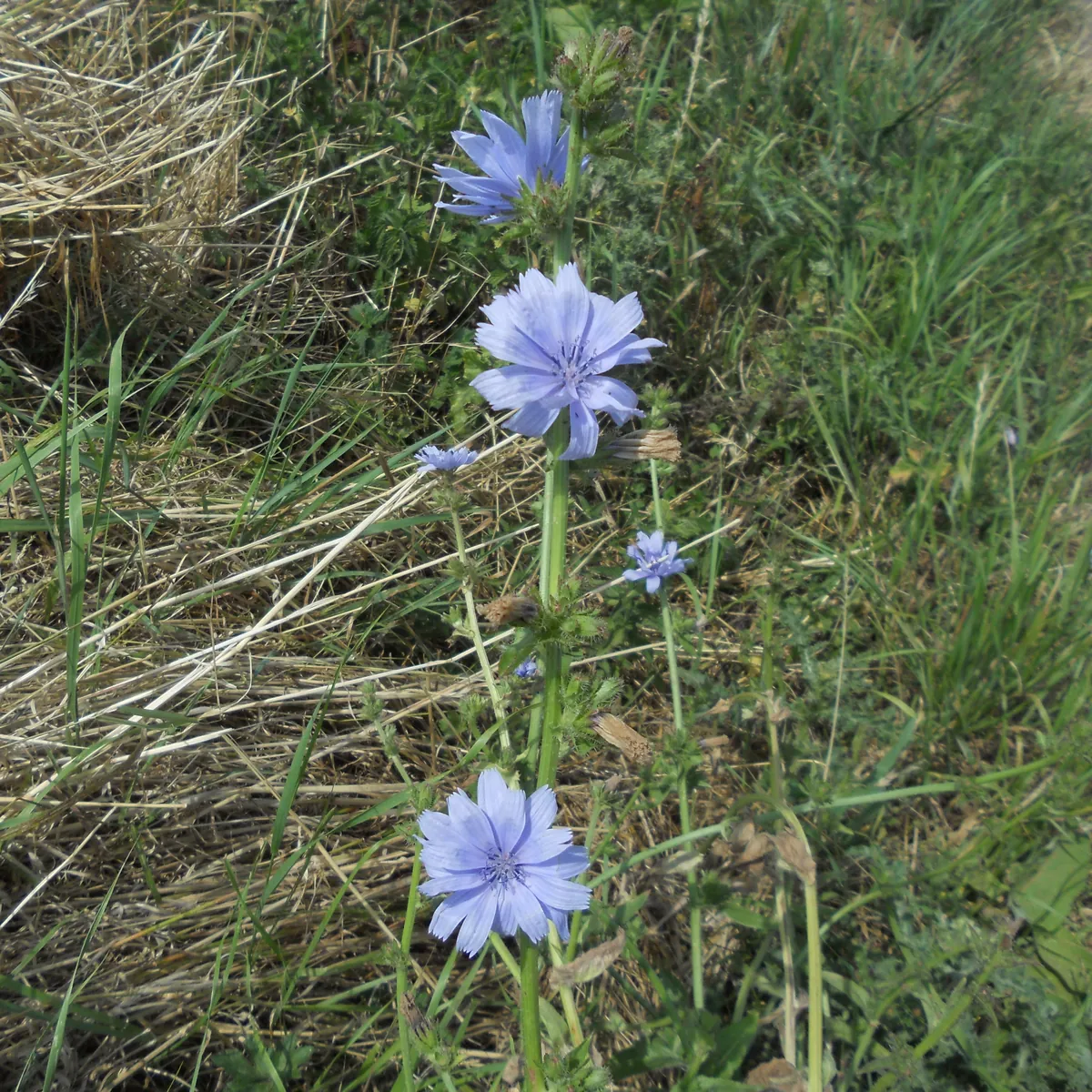
野生種チコリ(Cichorium intybus)の開花株。プーリア州で cicoria selvatica / cicoriella として手摘み採集される野生チコリはこの種を含むとされるが、写真自体は英国での撮影で、プーリアで採集される特定の個体群を示すものではない。
写っているもの: Cichorium intybus(野生種チコリ)部位・状態: 開花株
写真: ITookSomePhotos/ CC BY-SA 4.0/ 原画像/ 台帳の原画像
写真の範囲と来歴
被写体の確認: 原典の記載による同定。撮影地は英国ワイト島。プーリア産の個体写真は Commons 上に見つからなかった。
掲載画像: Wikimedia Commons の原寸ファイル。苦味研究所では切り抜き・色調変更なし。 表示用には幅1200px上限のWebPを配信し、台帳の原画像は上のリンクから確認できます。
On this page (7 sections)
Reading the bitterness
According to the Puglia register of traditional agri-food products (PAT), 『Cicorie selvatiche o cicorielle』 is identified as Cichorium intybus L., with regional names cicoriella cresta, ciucrèdde, and cequeréedde. The edible parts are roots, leaves, and flowers; the register gives 10 kcal per 100 g of edible portion and describes it as rich in potassium and vitamin B2.
The same PAT record describes harvesting wild plants by hand with a knife, selecting plants known to be edible, removing soil, and washing them repeatedly. The harvest season is described as October through April; the record says farmers ate them raw as 『spincituru』 (in translation: "a side dish"). It lists 『fave e cicorie』 (in translation: "fava beans and chicory") among the best-known recipes of Puglia's regional cuisine.
The Italian dictionary Treccani defines the noun 『ripassata』 (in translation: "a quick re-sauté") as quickly re-sautéing already boiled food in a pan, and gives an example involving boiled green beans (fagiolini). That example is not about chicory, and the dictionary does not itself list 『cicoria ripassata』 (in translation: "re-sautéed chicory") as a dish title.
Sources for this overview
Cicorie selvatiche o cicorielle
Checked for this overview: Checked the recorded scientific and regional names, edible parts, and nutritional values. / Checked the hand-harvesting method and traditional name for raw consumption.
Ripassata — Significato ed etimologia
Checked for this overview: Checked the dictionary definition of ripassata and the scope of its example.
Other names: Cicoria selvatica (it), Cicoriella cresta (it, identification medium), Ciucrèdde (it, identification medium), Cequeréedde (it, identification medium)
Structured claims — open a section to read each claim's confidence, evidence and limits
Composition and content (1)
Scope: The Puglia PAT record for 『Cicorie selvatiche o cicorielle』.
Note: Dialect spellings are preserved exactly as written in the source.
Show data
ingredient-cicoria-selvatica —is_a→ "Cichorium intybus L.; regional names recorded are cicoriella cresta, ciucrèdde, and cequeréedde."How processing and cooking change it (2)
Scope: The 『ripassata』 entry in Treccani Vocabolario.
Note: The dictionary example itself is not about chicory. This is recorded only as a general definition of the technique; the dictionary does not directly list a dish called 『cicoria ripassata』 (in translation: "re-sautéed chicory").
Show data
ingredient-cicoria-selvatica —is_prepared_by→ "The Italian dictionary lists 『ripassare in padella』 (in translation: "re-sauté in a pan") as a cooking technique of quickly frying previously boiled food again in a pan and seasoning it in different ways; its example uses green beans (fagiolini)."Scope: The Puglia PAT record; harvest season from October to April.
Note: Based on a single administrative record; regional and household variations were not checked.
Show data
ingredient-cicoria-selvatica —is_eaten_as→ "Wild plants are harvested by hand with a knife, selected as known edible plants, cleaned of soil, and washed repeatedly. Farmers ate them raw as 『spincituru(惣菜的な副食)』 (in translation: "spincituru, a side dish")."