huazontle / quelite cenizo
organism / organism-chenopodium-berlandieri-nuttalliae
ワソントレ / Chenopodium berlandieri subsp. nuttalliae
Huazontle / quelite cenizo is a goosefoot-family pseudocereal and quelite used in central Mexico since pre-Hispanic times. It belongs to the same genus as quinoa. Both seeds and young inflorescences are eaten.
Photographs (captions in Japanese)
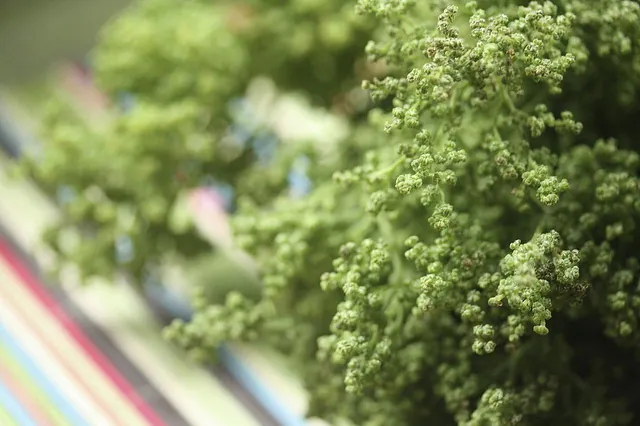
ワウソントレ(Chenopodium berlandieri subsp. nuttalliae)の種子。メキシコ中央部で先スペイン期から利用される擬似穀物・キレテで、種子だけでなく若い花序も食用にされる。
写っているもの: Chenopodium berlandieri subsp. nuttalliae(ワウソントレ)部位・状態: 種子
写真: HuriAguilar/ CC BY-SA 3.0/ 原画像/ 台帳の原画像
写真の範囲と来歴
被写体の確認: 原典の記載による同定。
掲載画像: Wikimedia Commons の原寸ファイル。苦味研究所では切り抜き・色調変更なし。 表示用には幅1200px上限のWebPを配信し、台帳の原画像は上のリンクから確認できます。
On this page (7 sections)
Reading the bitterness
Huazontle (Chenopodium berlandieri subsp. nuttalliae) is an annual pseudocereal in the goosefoot family (Chenopodiaceae). It belongs to the same genus as quinoa (Chenopodium quinoa) and is described as sharing similar morphological and nutritional traits. It was eaten in the Basin of Mexico before the Spanish conquest and remains in use, chiefly in central Mexico.
The plant is used not only for its seeds as a grain: its young inflorescences are also considered an edible part. A 2025 thesis analyzed the chemical composition of huazontle inflorescences, using inflorescence extracts (decoctions and dichloromethane:MeOH extracts) in its experiments. That experimental material also suggests that this plant part is treated as both food and a research subject.
High concentrations of triterpenoid saponins are reported in the outer layers of the seed. According to a prior 2016 study by Lazo-Vélez and colleagues, germinated seeds analyzed by CLAE-EM-TOF yielded 12 triterpenoid saponins, with oleanolic acid and hederagenin as the main sapogenins. This account is cited as review background in the 2025 thesis on inflorescences; it is not a new analysis of the inflorescences themselves.
Sources for this overview
Checked for this overview: Confirmed the description of an annual goosefoot-family pseudocereal in the same genus as quinoa. / Confirmed that inflorescences are an edible part and the experimental material. / Confirmed the secondhand account of saponins detected in seeds by Lazo-Vélez (2016).
Other names: uauquilitl (nah, identification medium), quelite cenizo (es, identification medium)
Follow the connections
huazontle inflorescence →is prepared from→ huazontle / quelite cenizo
Chenopodium triterpenoid saponins →occurs in→ huazontle / quelite cenizo
Structured claims — open a section to read each claim's confidence, evidence and limits
Composition and content (3)
Show data
organism-chenopodium-berlandieri-nuttalliae —is_a→ "An annual pseudocereal in the goosefoot family (Chenopodiaceae). It belongs to the same genus as quinoa (Chenopodium quinoa) and shares similar morphological and nutritional traits. It has been eaten in the Basin of Mexico since pre-Hispanic times."Scope: Young inflorescences, as well as seeds, are used as edible parts.
Show data
ingredient-huazontle-inflorescence —is_prepared_from→ organism-chenopodium-berlandieri-nuttalliaeScope: High concentration in seed outer layers is reported (summary of Lazo-Vélez 2016 and other published results).
Note: The paper's own newly isolated subjects were individual saponins (compounds 1 and 6) in flower cluster extract; this is review-type background description.
Show data
compound-class-chenopodium-saponins —occurs_in→ organism-chenopodium-berlandieri-nuttalliae