Thái (Vietnam; người Thái / dân tộc Thái)
culture / culture-tai-vietnam
タイ族(ベトナム)
Thái (Vietnam; người Thái / dân tộc Thái) is the Tai (người Thái), an ethnic minority living in northwestern Vietnam, including Sơn La and Điện Biên provinces. They are one of Vietnam’s 54 officially recognized ethnic groups, distinct from the majority Thai (Thai/ไทย) of the Kingdom of Thailand. Their food culture is distinctive, including Nậm Pịa.
Photographs (captions in Japanese)
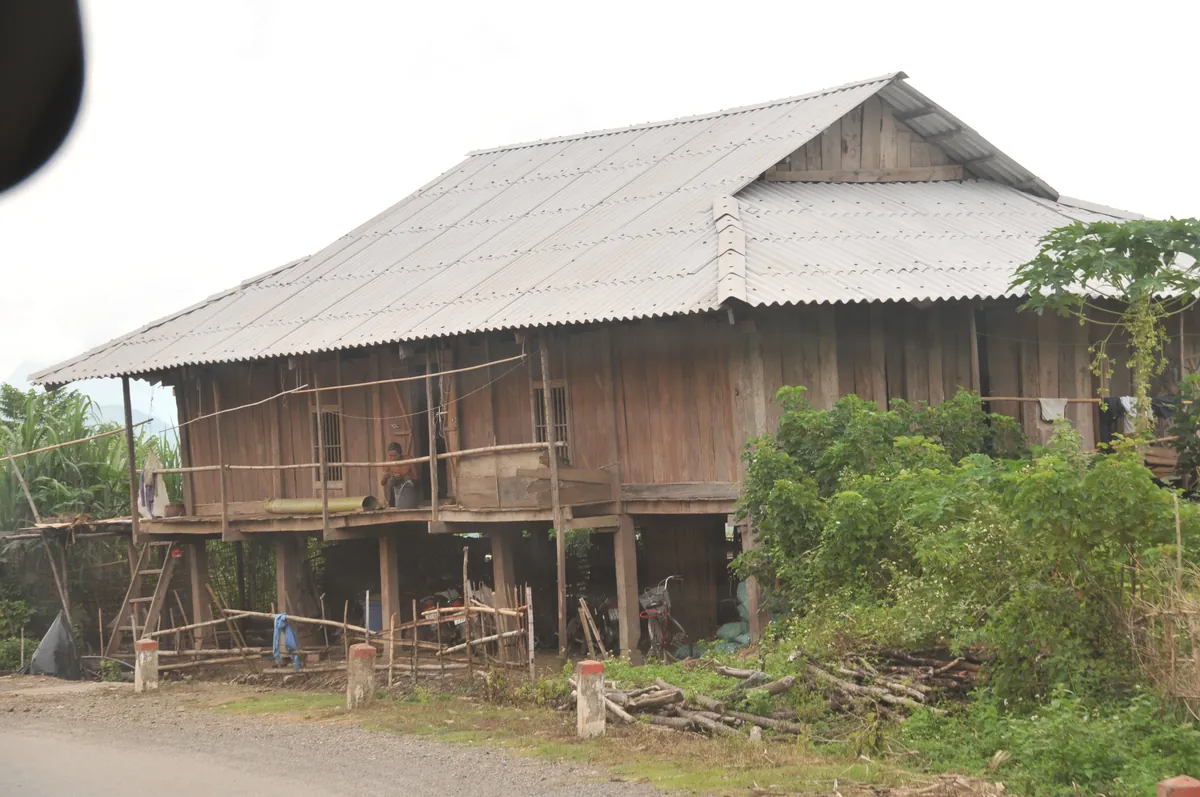
ベトナム・ソンラー省ムオンザン(Mường Giàng)にある高床式家屋(nhà sàn)。ソンラー省はタイ族(người Thái)の主要居住地の一つで、この住居様式はタイ族の生活文化を象徴する建築とされる。
現地観測写っているもの: 該当なし(民族・生活文化)部位・状態: 高床式住居(ニャーサン)
写真: ChieuTimViet/ CC BY 3.0/ 原画像/ 台帳の原画像
写真の範囲と来歴
被写体の確認: 原典の記載による同定。撮影地はソンラー省で、タイ族の中心的居住地域の一つ。裁定ではホアビン省撮影の代替候補についても言及があったが、本写真はより中心的な居住地域で撮影され、かつ解像度も高いためこちらを採用した。
掲載画像: リサイズ・トリミング・色調変更なし。Wikimedia Commons のオリジナル画像をそのまま使用。 表示用には幅1200px上限のWebPを配信し、台帳の原画像は上のリンクから確認できます。
On this page (7 sections)
Reading the bitterness
In the food culture of the Tai (người Thái) living in northwestern Vietnam, including Sơn La Province, nặm pịa is recorded as an indispensable accompaniment. The Tai entry in a government database introducing Vietnam’s 54 ethnic groups says it is always served with meat dishes made from herbivorous ruminants. A state-affiliated newspaper article also presents it in its title, 『Nậm pịa - món ăn truyền thống của người Thái Tây Bắc(ナムピアは西北タイ族の伝統料理)』 (in translation: "Nậm pịa – a traditional dish of the Tai people of northwestern Vietnam").
A 2025 ethnology paper is mainly about the food cultures of two other minorities, the Brau and Rơ Măm, but mentions the Tai for comparison and describes nậm pịa as a dish 『người Thái rất chuộng(タイ族が非常に好む)』 (in translation: "greatly favored by Tai people"). The paper is not a dedicated study of Tai food culture; this is a comparative mention only.
Sources for this overview
NGƯỜI THÁI(ベトナム54民族紹介ページ中のタイ族項)
Checked for this overview: Confirmed the government database’s statement that nậm pịa always accompanies ruminant meat dishes.
Nậm pịa - món ăn truyền thống của người Thái Tây Bắc
Checked for this overview: Confirmed that the article title itself presents it as a traditional dish of northwestern Tai people.
Bản sắc ẩm thực của hai dân tộc thiểu số rất ít người Brâu và Rơ-măm
Checked for this overview: Confirmed the comparative mention that Tai people greatly favor nậm pịa.
Other names: người Thái (vi), dân tộc Thái (vi)
Follow the connections
Nậm Pịa (Nặm Pịa) →is documented in→ Thái (Vietnam; người Thái / dân tộc Thái)
Structured claims — open a section to read each claim's confidence, evidence and limits
Culture (1)
Scope: Northwestern Vietnam (including Sơn La Province).
Note: The official government page, academic journal article, and state-paper-affiliated media all describe it as a Tai dish.
Show data
dish-nam-pia —is_documented_in→ culture-tai-vietnam