Indian trumpet tree
organism / organism-oroxylum-indicum
ソリザヤノキ / Oroxylum indicum / Oroxylum indicum
Sorizaya-no-ki (Indian trumpet tree), whose immature pods are distributed and eaten as a vegetable in northeastern Thailand.
Photographs (captions in Japanese)
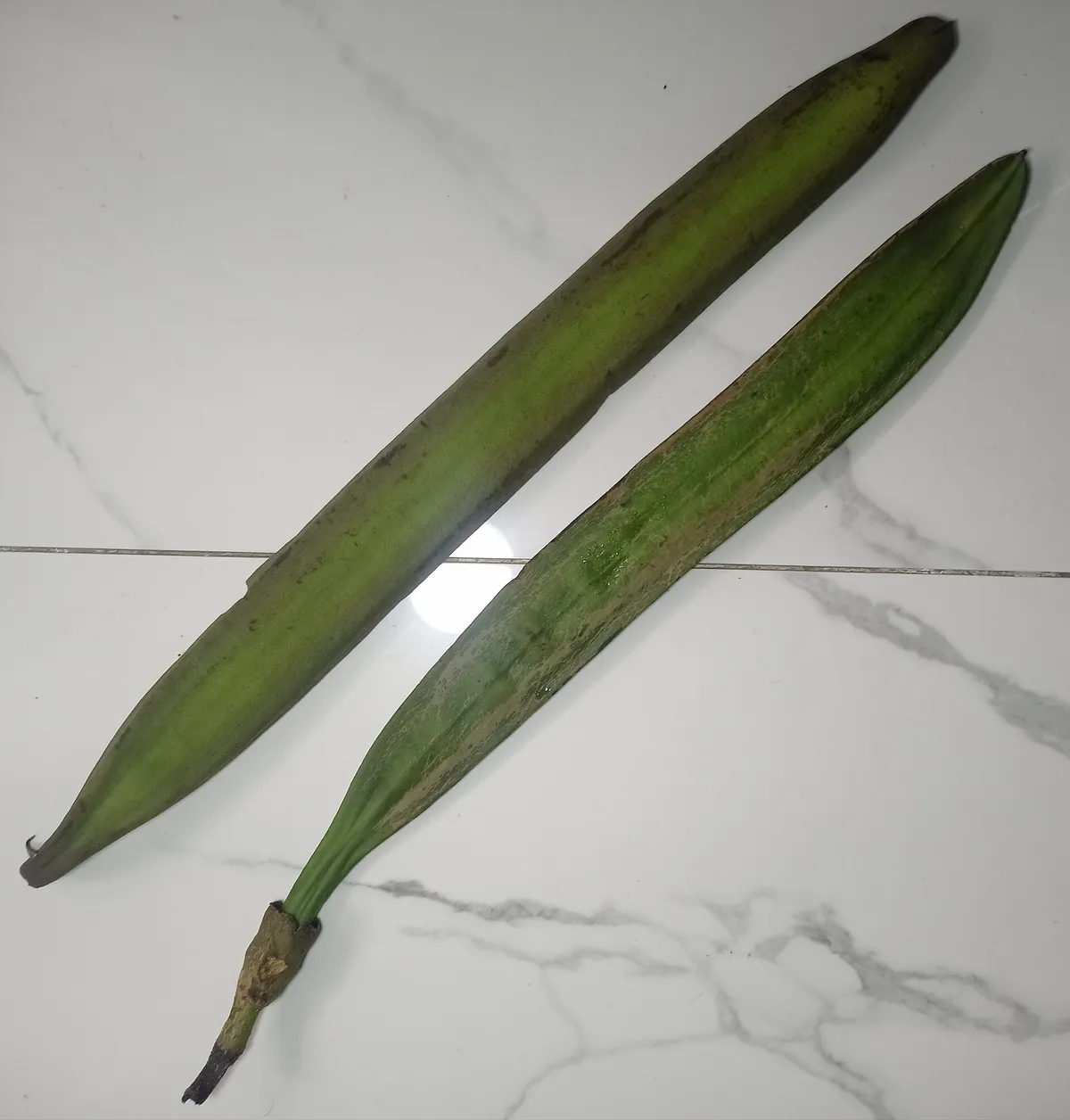
ソリザヤノキ(Oroxylum indicum)の若い果実(莢)。刀状に細長く扁平な莢が2本、台の上に置かれている。
写っているもの: Oroxylum indicum部位・状態: 収穫された若い莢(さや)状の果実2本
写真: SarKaLay/ CC BY-SA 4.0/ 原画像/ 台帳の原画像
写真の範囲と来歴
被写体の確認: 原典の記載による同定。原典キャプションは英語俗称「broken bones tree」の果実と記載。専門家による再同定は行っていない。
掲載画像: Wikimedia Commons の1920px版。苦味研究所では切り抜き・色調変更なし。 表示用には幅1200px上限のWebPを配信し、台帳の原画像は上のリンクから確認できます。
On this page (9 sections)
Reading the bitterness
Sorizaya-no-ki (Indian trumpet tree, scientific name Oroxylum indicum) is a tree whose immature pods are roasted and eaten as a local vegetable in northeastern Thailand. A 2024 study states as background that these pods are sold in local markets there. The starting point is that the pod is treated as an edible part, rather than any identification of the principal source of its bitterness.
The same study detected the flavones baicalin and baicalein in ethanol extracts of the pods. Baicalein was 2.57±0.23% w/w in the short-stem form and 0.89±0.15% w/w in the long-stem form, while baicalin was 2.37±0.67% w/w and 2.36±0.39% w/w, respectively. Chrysin and oroxylin A were below the detection limit. These are concentrations in extracts, not in fresh pods, and the source does not establish how these flavones contribute to pod bitterness.
Sources for this overview
Checked for this overview: Confirmed the description of roasted immature pods distributed as a local vegetable in markets of northeastern Thailand. / Confirmed HPLC quantification of baicalin, baicalein, and other compounds in pod extracts.
Follow the connections
Indian trumpet tree →contains→ baicalein
Measured values (2)
| Kind | Compound | Target | Value | Conditions | Source |
|---|---|---|---|---|---|
| concentration | baicalein | Indian trumpet tree | 2.57±0.23 % w/w (extract) | Pod ethanol extract (HPLC quantification). (Panomai 2024, Table 3. Not a concentration in fresh pods.) | Panomai P, 2024 |
| concentration | baicalein | Indian trumpet tree | 0.89±0.15 % w/w (extract) | Pod ethanol extract (HPLC quantification). (Panomai 2024 Table 3) | Panomai P, 2024 |
Values are the reported values of each source (with units and conditions). Thresholds and EC50 depend on the panel and method; they are not single true values.
Structured claims — open a section to read each claim's confidence, evidence and limits
Composition and content (1)
Scope: Ethanol extracts of pods from 2 phenotypes in Khon Kaen.
Note: The contribution of these flavones to bitterness was not tested in this source.
Show data
organism-oroxylum-indicum —contains→ compound-baicaleinHow processing and cooking change it (1)
Scope: Thailand, particularly the northeast.
Show data
organism-oroxylum-indicum —is_eaten_as→ "Roasted immature pods are eaten as a local vegetable and sold in local markets in northeastern Thailand."Culture (1)
Scope: A general-audience article from the Highland Research and Development Institute (HRDI).
Show data
organism-oroxylum-indicum —is_documented_as_part_of→ "One of the vegetables on an HRDI article’s 「รสขม(苦味)」 (in translation: "bitter taste (bitterness)") list (เพกา)."