Dolichos lablab (Lablab purpureus)
organism / organism-dolichos-lablab
フジマメ / Lablab purpureus (L.) Sweet [syn. Dolichos lablab L.]
Dolichos lablab (Lablab purpureus) is a traditional legume vegetable whose young pods are eaten (Thai name: ถั่วแปบ, thua paep). "paep" is described as an old word referring to the flat shape of the pod (Mo Chao Ban magazine, 1997). Some material suggests a possible shared word root with ผักแปบ (phak paep, one recorded name for the Chiang Mai bitter green still being identified), but this source records it only as ถั่ว (a bean), with no separate attestation as ผัก (a leafy vegetable); the two are therefore not identified as the same plant.
Photographs (captions in Japanese)
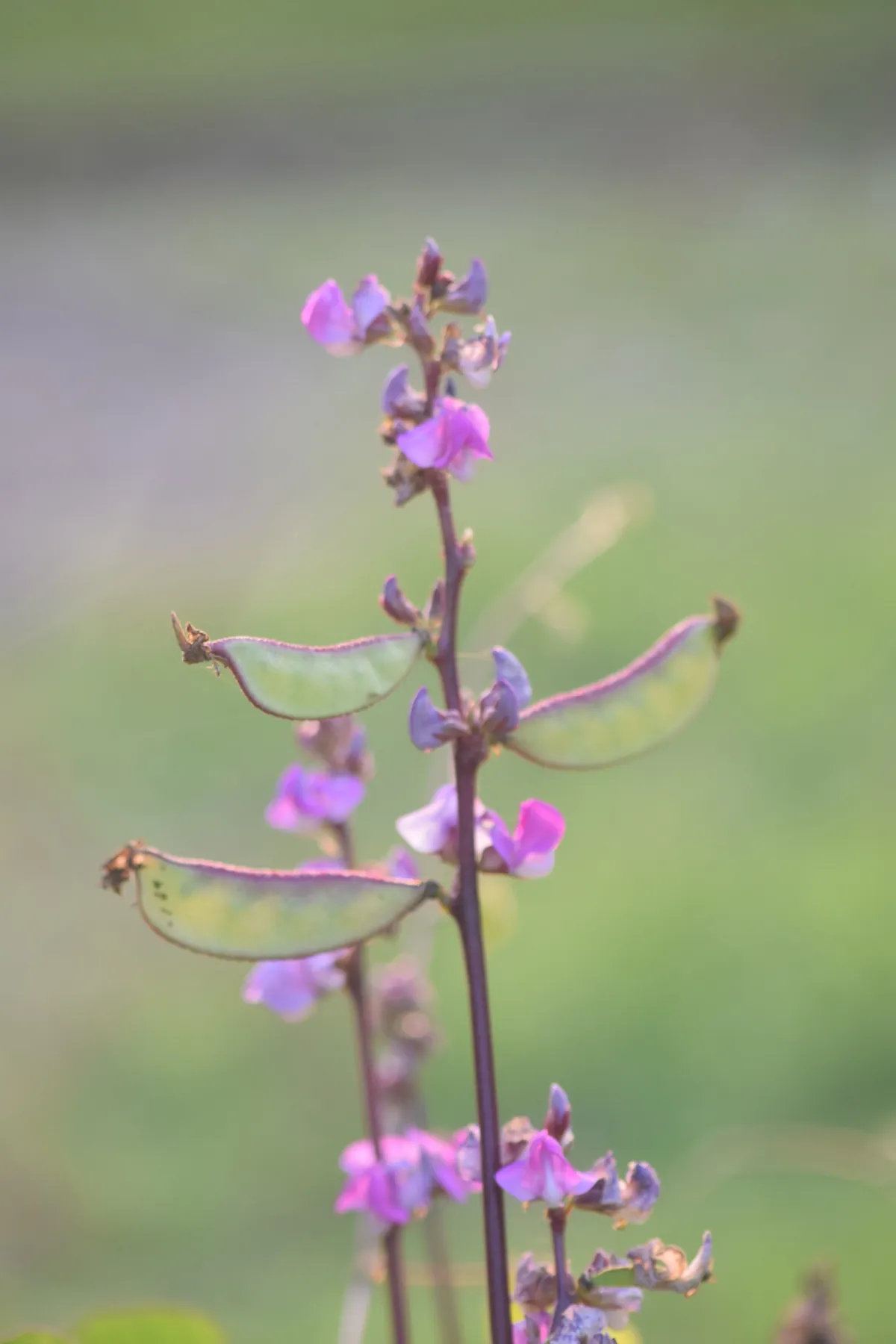
Dolichos lablab(学名上の新称 Lablab purpureus)の紫色の花と若い莢。撮影地はバングラデシュで、タイでの撮影ではない同種の代理写真。
写っているもの: Lablab purpureus (L.) Sweet [syn. Dolichos lablab L.]部位・状態: 花と若い莢
写真: Md. Mahian/ CC BY-SA 4.0/ 原画像/ 台帳の原画像
写真の範囲と来歴
被写体の確認: 原典の記載による同定。同種(学名一致)の植物写真だが、撮影地はタイではなくバングラデシュ。
掲載画像: 苦味研究所側で sips により長辺2400pxにリサイズ(オリジナルは6000x4000px)。トリミング・色調変更なし。 表示用には幅1200px上限のWebPを配信し、台帳の原画像は上のリンクから確認できます。
On this page (7 sections)
Reading the bitterness
ถั่วแปบ (thua paep; Dolichos lablab, scientific name Lablab purpureus) is a legume whose young pods are eaten. 「แปบ」 (in translation: "paep") is described as an old word for the flat shape of the pod, an etymology introduced in a 1997 article on traditional agriculture. The article uses the form 「ถั่ว(豆)」 (in translation: "thua [bean]"); no mention of the form 「ผัก(葉物野菜)」 (in translation: "phak [leafy vegetable]") was found.
The young pods are boiled and eaten alongside chili paste, fermented fish, or sour fish dishes. The same 1997 article records their use in orange curry in central Thailand and sour soup in northeastern Thailand, suggesting different culinary uses by region.
Sources for this overview
ถั่วแปบ ผักพื้นบ้านชื่อไทยโบราณ
Checked for this overview: Confirmed the explanation that แปบ (paep) is an old word referring to the pod’s flat shape. / Confirmed the description of boiled young pods and their regional culinary uses.
Other names: ถั่วแปบ (th), thua paep (th-Latn)
Structured claims — open a section to read each claim's confidence, evidence and limits
Composition and content (1)
Scope: Throughout Thailand (including northern names).
Note: 「แปบ」 (in translation: "paep") is described as an old word referring to the flat shape of the pod. The similarity in word roots to 「ผักแปบ」 (in translation: "phak paep"), a candidate name recalled by Masaru, merits examination, but this source uses 「ถั่ว(豆)」 (in translation: "thua [bean]"); the form 「ผัก」 (in translation: "phak [leafy vegetable]") was not found. It is not identified as the same as ingredient-chiangmai-green-candidate.
Show data
organism-dolichos-lablab —is_listed_as→ "ถั่วแปบ (thua paep)."How processing and cooking change it (1)
Scope: Throughout Thailand.
Note: Described in a 1997 article in หมอชาวบ้าน (Mo Chao Ban) magazine.
Show data
organism-dolichos-lablab —is_eaten_as→ "Boil the young pods and eat them with chili paste, fermented fish, or sour fish dishes; they are also used in orange curry in central Thailand and sour soup in northeastern Thailand."