cynaropicrin
compound / compound-cynaropicrin
シナロピクリン
Cynaropicrin is a guaianolide-type sesquiterpene lactone distributed in the bracts, stems, and other parts of artichoke.
Photographs (captions in Japanese)
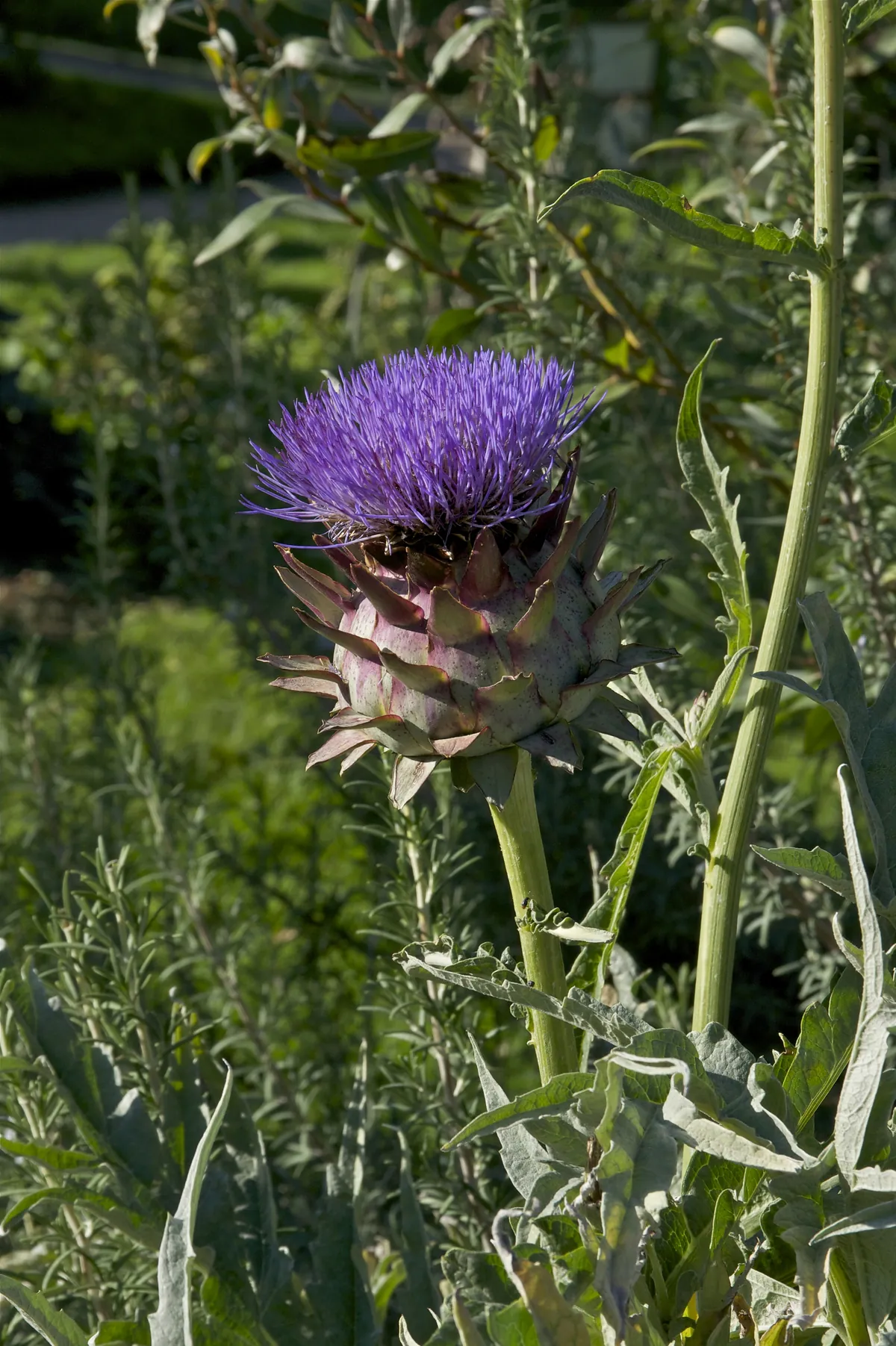
アーティチョーク(Cynara cardunculus var. scolymus)の開花株。cynaropicrin はこの植物の苞・茎などに分布するセスキテルペンラクトンであり、化合物そのものではなく給源植物の写真である。
原料写っているもの: Cynara cardunculus var. scolymus(アーティチョーク)部位・状態: 開花株
写真: Jebulon/ CC0 1.0/ 原画像/ 台帳の原画像
写真の範囲と来歴
被写体の確認: 原典の記載による同定。ingredient-artichoke-globe・ingredient-artichoke-sardegna で使用した写真とは別ファイル(重複回避)。
掲載画像: Wikimedia Commons の原寸ファイル。苦味研究所では切り抜き・色調変更なし。 表示用には幅1200px上限のWebPを配信し、台帳の原画像は上のリンクから確認できます。
On this page (7 sections)
Reading the bitterness
Cynaropicrin is a guaianolide-type sesquiterpene lactone found in artichoke. It is summarized as being present primarily in the edible bracts, where it occurs as a central component among multiple sesquiterpene lactones, and also in small amounts in the stems. One review treats this compound as the component responsible for the typical bitterness of artichoke, but this positioning is a synthesis of multiple primary research findings and is not based on a sensory reconstruction assay that measured cynaropicrin's individual contribution.
Beyond the edible flower buds, European evaluation documents address the dried leaves (from Cynara cardunculus) used as a medicinal product. These documents summarize the bitter sesquiterpene lactones as comprising 0.4% of leaf mass, of which cynaropicrin comprises 47–83%; existing reports that cynaropicrin is most abundant in young leaves are also cited. However, this represents a secondary citation within the evaluation document and has not been established by direct sensory testing to show primary contribution; this data should be distinguished as coming from a plant part distinct from the edible flower buds.
Sources for this overview
Checked for this overview: Summary of presence as a principal component in bracts and low-level presence in stems / The review's statement that cynaropicrin is the component responsible for typical bitterness, and clarification that this is not based on sensory reconstruction testing
Assessment report on Cynara cardunculus L. (syn. Cynara scolymus L.), folium
Checked for this overview: Summary of bitter sesquiterpene lactones in leaves at 0.4%, of which cynaropicrin comprises 47–83%
Follow the connections
globe artichoke →contains→ cynaropicrin
cynaropicrin →contributes to→ bitterness →can be measured separately …→ astringency
artichoke leaf →— major bitter compound→ cynaropicrin
Structured claims — open a section to read each claim's confidence, evidence and limits
Composition and content (3)
Scope: Artichoke's bracts and stem
Note: Content differs by plant part, so no single concentration figure is given.
Show data
ingredient-artichoke-globe —contains→ compound-cynaropicrinScope: The EMA assessment report on the dried leaf of Cynara cardunculus
Note: The assessment report identifies 47-83% of the leaf's 0.4% bitter sesquiterpene lactones as cynaropicrin. A secondary record states it is higher in young leaves.
Show data
ingredient-artichoke-leaf —has_major_bitter_compound→ compound-cynaropicrinScope: A literature review on the bitterness of artichoke (genus Cynara) plants.
Show data
ingredient-artichoke-leaf —has_major_bitter_compound→ compound-cynaropicrinSensory (1)
Scope: Artichoke's characteristic bitterness
Note: A review's synthesis of primary research.
Show data
compound-cynaropicrin —contributes_to→ sensation-bitter