vermouth
ingredient / ingredient-vermouth
ベルモット
Vermouth is an aromatised wine made by adding alcohol to wine and giving it a distinctive flavor with plants of the genus Artemisia, including wormwood, and other botanicals. Their aroma and bitterness are experienced alongside the acidity or sweetness of the wine.
Photographs (captions in Japanese)
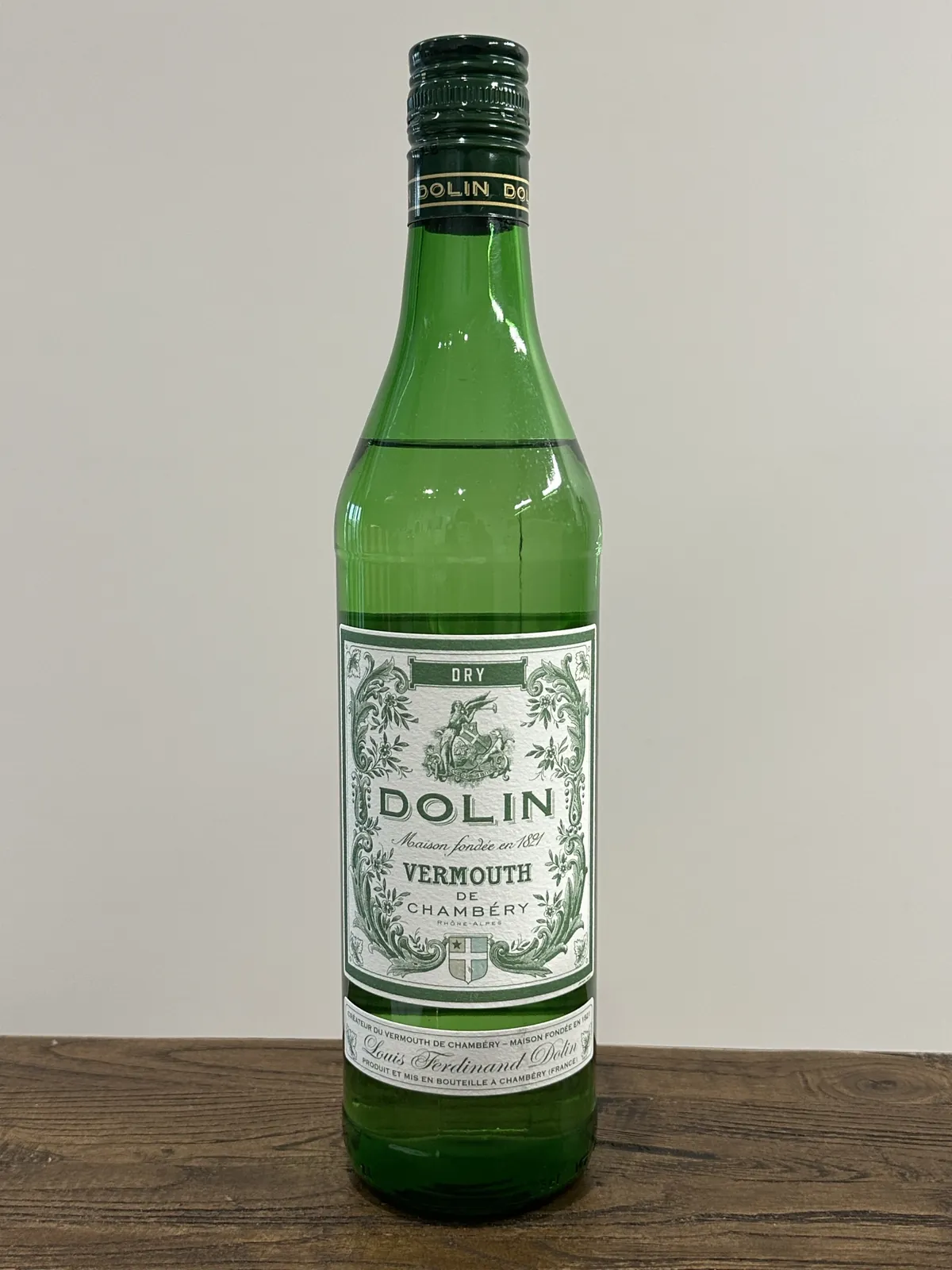
Dolin社(フランス)製ドライベルモットの瓶。ベルモットはワインにアルコールを加え、ニガヨモギを含むArtemisia属植物などで香味付けしたアロマタイズドワイン。特定銘柄の瓶を被写体としているが、ベルモット全般の代表例として扱う。
写っているもの: 該当分類群なし(Dolin社製ドライベルモットの瓶)部位・状態: Dolin社(フランス)製ドライベルモットの瓶、単体で撮影
写真: Indrajit Das/ CC BY-SA 4.0/ 原画像/ 台帳の原画像
写真の範囲と来歴
被写体の確認: 原典の記載による同定。商標登録された銘柄ラベル(Dolin)が写り込むが、Wikimedia Commonsのライセンスは有効。ベルモット一般を代表する例として扱う。
掲載画像: Wikimedia Commons の原寸ファイルを取得後、苦味研究所にて sips で長辺2400px程度に縮小。切り抜き・色調変更なし。 表示用には幅1200px上限のWebPを配信し、台帳の原画像は上のリンクから確認できます。
On this page (8 sections)
Reading the bitterness
EU Regulation (EU) No 251/2014, Article 3(2) and Annex II A(3), defines vermouth as a type of aromatised wine to which alcohol has been added and whose distinctive taste is obtained through appropriate substances from Artemisia. The general rules for aromatised wine require at least 75% grape-derived products and actual alcohol content of at least 14.5% but less than 22%. The rule specifies Artemisia at the genus level; it does not designate a species.
The vermut entry in the Treccani encyclopedia says the name 『vermut/vermouth』 derives from the German Wermut, meaning assenzio or wormwood, one of vermouth’s principal ingredients. This plant, from which the name is described as deriving, is treated in a separate entry of NIGAMI LAB’s encyclopedia as a strongly bitter plant.
The same encyclopedia describes infusing herbs after adding sugar and alcohol to the base wine, listing assenzio (wormwood), centaurea, genziana (gentian), thyme, hyssop, marjoram, and others. The encyclopedia itself does not characterize these as the sources of bitterness, but NIGAMI LAB has separate entries identifying wormwood and gentian root among the listed botanicals as bitter plants. This is a general description of a preparation category, not analytical measurements of amounts in a particular brand.
Sources for this overview
Checked for this overview: Confirmed the text of Article 3(2) and Annex II A(3) of the EU regulation.
Checked for this overview: Confirmed the etymology described in Treccani’s vermut entry. / Confirmed that the herbal infusion description includes genziana. / Confirmed that the same herbal infusion description includes assenzio.
Follow the connections
vermouth →is flavoured with→ gentian root →— sensory attribute→ bitterness
vermouth →is flavoured with→ wormwood
Structured claims — open a section to read each claim's confidence, evidence and limits
Composition and content (2)
Scope: The general recipe description in Treccani’s vermut entry.
Note: A general recipe description at encyclopedia level, not analytical values for ingredients in a particular brand.
Show data
ingredient-vermouth —is_flavoured_with→ ingredient-gentian-rootScope: The general recipe in the vermut entry of the Treccani encyclopedia.
Note: Described as an ingredient consistent with the name's etymology (Wermut).
Show data
ingredient-vermouth —is_flavoured_with→ ingredient-wormwoodSafety and regulation (1)
Scope: EU. Regulation (EU) No 251/2014, Article 3(2) and Annex II A(3).
Note: The rule applies to the Artemisia 『属』 (in translation: "genus"); it does not specify a species such as A. absinthium or A. pontica.
Show data
ingredient-vermouth —is_defined_in_eu_law_as→ "An aromatised wine with added alcohol whose characteristic taste comes from appropriate substances of the genus Artemisia. Aromatised wine contains at least 75% grape-derived products and has actual alcohol content of at least 14.5% and less than 22%."Culture (1)
Scope: The vermut entry in the Treccani encyclopedia.
Note: An etymological description, not a claim about compositional standards.
Show data
ingredient-vermouth —has_name_etymology→ "The name 『vermut/vermouth』 derives from the German Wermut (assenzio or wormwood), one of vermouth’s principal ingredients."