propranolol
compound / compound-propranolol
プロプラノロール
Non-selective beta-blocker. A bitter-tasting active pharmaceutical ingredient often compounded in hospitals for pediatric use.
Photographs (captions in Japanese)
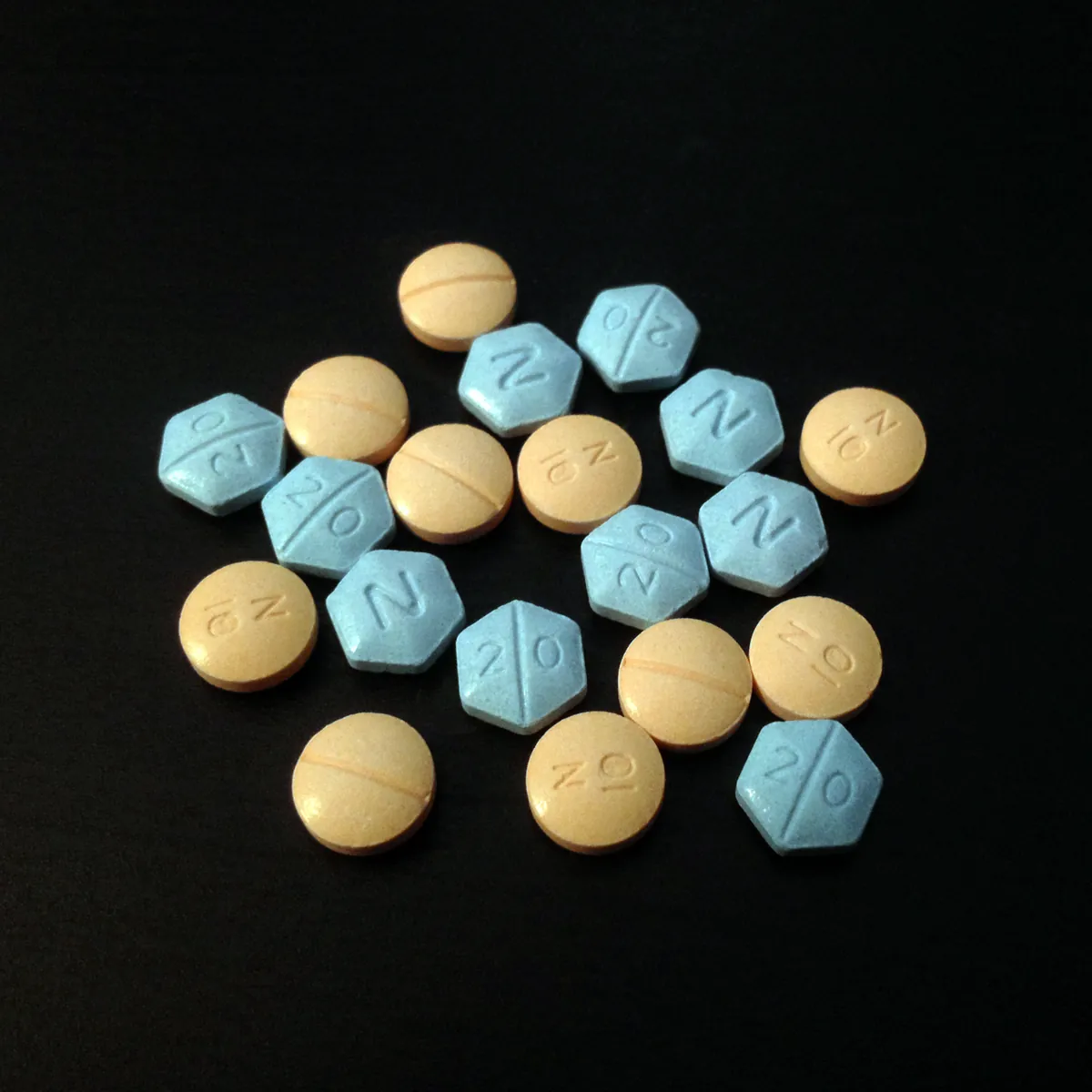
プロプラノロール錠剤の写真。非選択的β受容体遮断薬で、苦味を呈する原薬として小児用に院内調剤されることがある。
写っているもの: 該当なし(生物ではなく医薬品)部位・状態: 錠剤
写真: Garzfoth/ CC BY-SA 4.0/ 原画像/ 台帳の原画像
写真の範囲と来歴
被写体の確認: 原典の記載による同定。製剤名がファイルページで特定されている実在の医薬品写真。
掲載画像: Wikimedia Commons の原寸ファイル。苦味研究所では切り抜き・色調変更なし。 表示用には幅1200px上限のWebPを配信し、台帳の原画像は上のリンクから確認できます。
On this page (6 sections)
Reading the bitterness
Propranolol is a non-selective beta-blocker known as a bitter-tasting active pharmaceutical ingredient, often compounded in hospitals for pediatric use. One study examined the change in bitterness when this drug is combined with hydroxypropyl-beta-cyclodextrin using an electronic tongue (an instrument that measures taste). On a scale where cyclodextrin alone was 0 and propranolol alone was 10, the bitterness score of a formulation mixed at a 1:1 molar ratio was 8.5 (a 15% decrease), and at a 1:2 molar ratio was 7.3 (approximately a 30% decrease). Analysis of the sensor response showed that only 2 out of 4 bitter-detecting sensors distinguished this difference, whereas sensors measuring lingering bitterness or astringency showed no difference.
This result comes from instrument measurement only, not human taste testing, and each sample was measured only 2 times. The percentages shown are relative values based on propranolol alone before formulation, not absolute bitterness intensity—a point to note. Another review, citing regulatory reports, describes that an electronic tongue demonstrated approximately 80% bitterness-masking effect on another marketed propranolol formulation compared to water as a control, and that in subsequent clinical trials no cases were observed of early treatment discontinuation due to taste. However, these figures differ in formulation, electronic tongue scoring method, and reference control, so they cannot be simply compared with the 15% and 30% decrease with cyclodextrin.
In another study examining taste quality via direct application to the tongue, 9 cardiovascular medications including propranolol HCl (labetalol HCl, captopril, diltiazem HCl, enalapril maleate, hydrochlorothiazide, mexiletine HCl, procainamide HCl, and propafenone HCl) all exhibited primarily bitter taste, with other taste qualities sometimes present (within the scope of the abstract). Detection thresholds across the 9 medications ranged from 0.048 mM (propafenone) to 0.438 mM (procainamide), but the detection threshold for propranolol alone was not individually reported in the abstract.
Sources for this overview
Checked for this overview: Bitterness scores of 8.5 and 7.3 for the 1:1 and 1:2 formulations confirmed in body text / Limitations of the test conditions (instrument measurement only, 2 measurements per sample) confirmed in body text
Checked for this overview: Record of approximately 80% masking effect in another formulation confirmed in body text
Taste effects of lingual application of cardiovascular medications
Checked for this overview: Taste quality confirmation via direct application to tongue and range of detection thresholds
Follow the connections
propranolol →— electronic-tongue bittern…→ cyclodextrins
propranolol →— sensory attribute→ bitterness →can be measured separately …→ astringency
Structured claims — open a section to read each claim's confidence, evidence and limits
Sensory (2)
Scope: 0.2% w/v aqueous propranolol solution. Insent SA 402B taste-sensing system, 4 sensors, each sample measured 2 times. No human panel
Note: Instrumental measurement only. Because of how the anchor was set (drug alone = 10), the percentages are relative to the unformulated drug and are not an absolute bitterness value.
Show data
compound-propranolol —has_e_tongue_bitterness_reduced_by→ compound-class-cyclodextrinsScope: Layer: Solution (direct application to tongue surface). Detection thresholds were measured when 9 cardiovascular medications (propranolol HCl, labetalol HCl, captopril, diltiazem HCl, enalapril maleate, hydrochlorothiazide, mexiletine HCl, procainamide HCl, and propafenone HCl) were applied to human subjects in younger and older age groups.
Show data
compound-propranolol —has_sensory_attribute→ sensation-bitter