pyrrolizidine alkaloids
compound class / compound-pyrrolizidine-alkaloids
ピロリジジンアルカロイド類
Pyrrolizidine alkaloids: an alkaloid class containing petasitenin, neopetasitenin, and senkirukine. Some members exhibit hepatotoxicity. Present in some plants of the Asteraceae and Boraginaceae families containing Petasites.
Photographs (captions in Japanese)
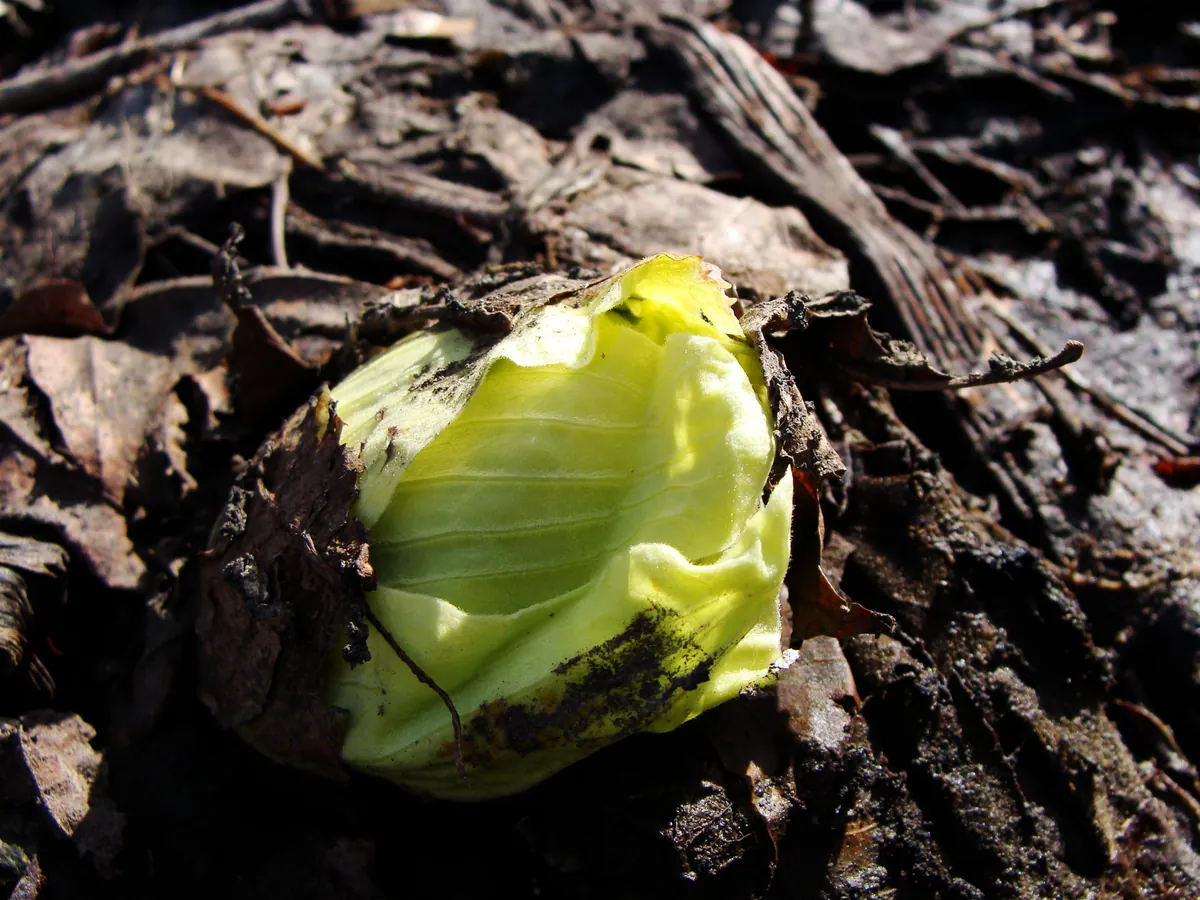
成熟したフキ(Petasites japonicus)の葉と葉柄。ペタシテニン等のピロリジジンアルカロイド類は Petasites を含む一部のキク科・ムラサキ科植物に存在するとされ、化合物そのものではなく給源植物の写真である。
原料写っているもの: Petasites japonicus(フキ)部位・状態: 成熟した葉と葉柄
写真: aomorikuma/ CC BY-SA 3.0/ 原画像/ 台帳の原画像
写真の範囲と来歴
被写体の確認: 原典の記載による同定。ingredient-fukinoto(花芽の写真)・compound-bakkenolide-b(花芽の写真)とは異なる成熟葉の写真(重複回避)。
掲載画像: Wikimedia Commons の原寸ファイル。苦味研究所では切り抜き・色調変更なし。 表示用には幅1200px上限のWebPを配信し、台帳の原画像は上のリンクから確認できます。
On this page (7 sections)
Reading the bitterness
Pyrrolizidine alkaloids are a group of alkaloids containing petasitenin, neopetasitenin, senkirukine, and others, some of which have known hepatotoxicity. They exist in some plants of the Asteraceae and Boraginaceae families, including fuki and fukinotou. In this encyclopedia, this compound group is presented not as the source of bitterness but as a safety consideration accompanying fuki and fukinotou, which are bitter mountain vegetables. According to publicly available information from Japan's Ministry of Agriculture, Forestry and Fisheries, these alkaloids were found in the majority of fuki and fukinotou distributed domestically, with concentrations higher in fukinotou than in fuki. However, it is also stated that no health harm suspected to be caused by consumption of fuki and fukinotou has been reported domestically.
Because these alkaloids have the property of being easily soluble in water, their content is described as being able to be greatly reduced by traditional preparation methods such as blanching and soaking in water. However, the specific numerical value of what percentage this reduction represents has not been shown on this page of publicly available information. Other researchers have quantified petasin and pyrrolizidine alkaloids (petasitenin, neopetasitenin, senkirukine) in fukinotou extracts, and have found that extraction with non-polar solvents such as hexane can extract more petasin while keeping alkaloid content low. However, this is a result for extracts, and must be read as distinct from the content in fuki and fukinotou themselves as consumed as food.
Sources for this overview
Checked for this overview: Detection from the majority of domestically distributed products, high concentrations in fukinotou, and no reported health harm. / Statement of reduction through blanching and soaking in water due to water solubility.
キク科山菜に含まれる機能性成分:野生植物として生き抜いてきた山菜の化学戦略を利用する
Checked for this overview: Confirmation of quantitative experiments showing low PA and high petasin with hexane extraction.
Follow the connections
Japanese butterbur (fuki) →contains→ pyrrolizidine alkaloids
aku-nuki (blanch-and-soak treatment) →reduces→ pyrrolizidine alkaloids
Structured claims — open a section to read each claim's confidence, evidence and limits
How processing and cooking change it (1)
Scope: Fuki and fukinoto. Public information from MAFF based on a survey of PA in foods
Note: Explained as due to the water-soluble nature of PAs. The reduction rate is not given as a number on the information page, and the press release for the 2nd-report content survey that carried the figures could not be retrieved (403).
Show data
process-aku-nuki —reduces→ compound-pyrrolizidine-alkaloidsSafety and regulation (1)
Scope: Japanese commercial fuki and fukinotou summarized on the Ministry of Agriculture, Forestry and Fisheries' publicly available information page.
Note: The same page also states that no health harm suspected to be caused by eating fuki and fukinotou has been reported in Japan. This description summarizes publicly available information and is not health advice.
Show data
organism-petasites —contains→ compound-pyrrolizidine-alkaloids