化合物
キニーネ
quinine
キニーネは、実験的苦味刺激およびトニック飲料に用いられる苦味キナアルカロイド。
写真で見る
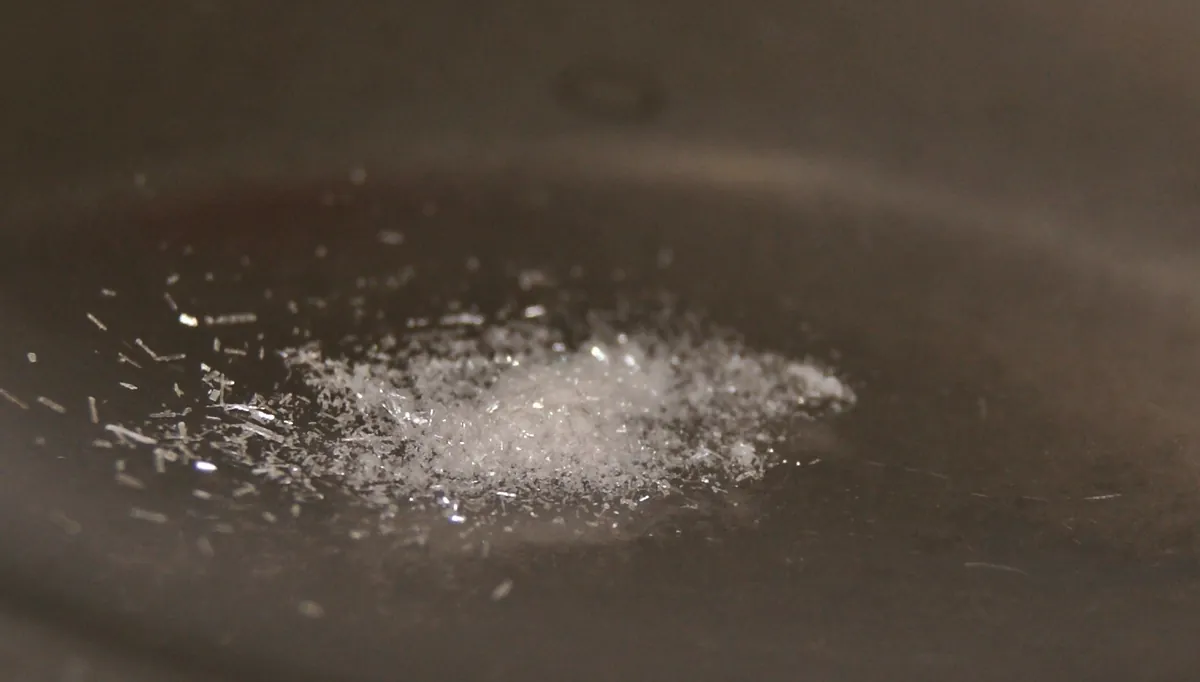
小皿に集められた白色のキニーネ塩酸塩(Chininhydrochlorid)の結晶。ファイルページの記載に基づく。
写っているもの: 該当なし(生物ではなく化合物の結晶)部位・状態: 結晶(塩酸キニーネ)
写真: Danny S./ CC BY-SA 3.0/ 原画像/ 台帳の原画像
写真の範囲と来歴
被写体の確認: 原典の記載による同定。エンティティ compound-quinine は一般名としてのキニーネだが、本写真は塩酸塩(hydrochloride)の結晶。硫酸キニーネ等の他の塩とは分子形が異なるが、同一アルカロイドの塩の一種として代表的な結晶写真に採用した。
掲載画像: リサイズ・トリミング・色調変更なし。Wikimedia Commons のオリジナル画像をそのまま使用。 表示用には幅1200px上限のWebPを配信し、台帳の原画像は上のリンクから確認できます。
化合物 / compound-quinine
↑苦味を読む
キニーネはキナに含まれるアルカロイドで、実験的な苦味刺激として用いられる化合物である。あるヒト味覚試験では、0.01、0.03、0.10、0.30、1.00 mMの塩酸キニーネ溶液に0から4までの苦味スコアを割り当てる標準尺度がつくられ、被験者はまずこの標準液を記憶したうえで、他の刺激の苦味を評定した。トニックウォーターに苦味を与える成分としても広く知られている。
だが、キニーネの苦味は甘味や塩味を足せば単純に消えるわけではない。0.1 mM塩酸キニーネの苦味をおよそ80%抑えるには800 mMのスクロース、8 mMのアスパルテーム、300 mMの塩化ナトリウムが必要だったとするヒト味覚試験があり、アスパルテームはモル基準でスクロースの約100倍効率的だった。別の独立した研究でも、塩によってキニーネの苦味が抑えられることは確認されているが、抑制の程度は塩の種類ごとに異なっていた。抑制には比較的高い濃度を要するという傾向は共通している。
抑制物質どうしの関係も単純ではない。ある研究では、タンニン酸を0.005%から0.05%(w/v)まで増やすと0.1 mMキニーネの苦味スコアは対照の約61%まで下がったが、0.15%までさらに増やすと抑制はむしろ弱まり、苦味スコアは対照より高くなった。著者らはこの逆転を高濃度タンニン酸溶液の渋味に帰しているが、渋味の強さ自体は示されていないとも記す。「キニーネの苦味閾値」という一つの数字も揺れが大きく、味を認知したと答える基準で測った研究ではおよそ0.011-0.018 mM、味を検知したと答えるより緩い基準で測った別の研究ではおよそ0.67-2.0 mMと、2桁近く高い値が報告されている。しかも後者の研究では、同じ集団を再検査すると値がおよそ3倍動いた。
トニックウォーターにおけるキニーネの使用には法的な上限もある。米国では炭酸飲料の香料として使う場合、キニーネ換算で83 ppmを超えてはならずラベル表示も義務づけられており、市販トニックウォーター2銘柄を蛍光分光法で測ると64.60 ppmと64.50 ppmで、上限を下回っていた。オーストラリア・ニュージーランドでは、トニックドリンクなどに100 mg/kg、ワインベース飲料などに300 mg/kgという上限が、天然毒性物質と食品添加物という二つの枠組みの双方に置かれている。これらは法律上の許容量であり、感じられる苦味の強さや安全域を直接示す数値ではない。
この説明の根拠
この本文で確認した範囲: 0.01-1.00 mMの苦味標準スケール設定を本文の基準記述として確認/スクロース・アスパルテーム・NaClによる抑制に必要な高濃度の数値を確認/タンニン酸濃度による苦味抑制から増強への逆転を本文で確認
Suppression of bitterness by sodium: variation among bitter taste stimuli
この本文で確認した範囲: 塩によるキニーネ苦味抑制が独立研究でも報告される点を確認
Repeatability of Taste Recognition Threshold Measurements with QUEST and Quick Yes-No
この本文で確認した範囲: 認知基準で測った閾値0.011-0.018 mMの数値を本文で確認
Comparison of techniques for the evaluation of taste sensitivity
この本文で確認した範囲: 検知基準の閾値が2桁高くテスト間で3倍動く点を確認
この本文で確認した範囲: 米国の炭酸飲料での83 ppm上限と表示義務を本文で確認
Fluorescence Analysis of Quinine in Commercial Tonic Waters
この本文で確認した範囲: 市販品2銘柄の実測64.60/64.50 ppmが上限未満である点を確認/市販トニックウォーター2銘柄の蛍光分光法による実測値64.60/64.50 ppm
この本文で確認した範囲: 豪州・NZの飲料区分別上限100/300 mg/kgを本文で確認
この本文で確認した範囲: 同数値が天然毒性物質と添加物の両枠組みにある点を確認
構造化された主張 — 節を開くと、主張ごとの確度・根拠・限界が読めます
組成・含有(2)
範囲: 米国市場のトニックウォーター2ブランド、無希釈。外部標準を用いる蛍光分光法(ex 350 nm / em 450 nm)。学生グループ5反復
注記: 両値とも米国の上限 83 ppm より約22%低い(比較はこちらの算術による導出。論文自体は最大許容濃度未満とだけ述べる)。教育プロトコルの文脈であり、市場調査ではない。
データを表示
compound-quinine —has_measured_concentration_in_commercial_tonic_water_of→ "64.60 ± 3.66 ppm(Canada Dry)および 64.50 ± 2.68 ppm(Schweppes)。引用された市販品の典型範囲 ~25-60 ppm に対して"範囲: 米国市場の市販トニックウォーター(無希釈)。蛍光分光法による実測
データを表示
ingredient-tonic-water —is_bittered_with→ compound-quinine感覚(9)
範囲: 引用したヒト研究における 0.1 mM 塩酸キニーネ
注記: 必要濃度とマトリクスが解釈に不可欠。
データを表示
compound-quinine —has_perceived_bitterness_suppressed_by→ "比較的高濃度のスクロース、アスパルテーム、塩化ナトリウム"範囲: 引用したヒト研究における特定の濃度
注記: 記述子間の相互作用の例示であり、渋味が苦味であることの証明ではない。
データを表示
compound-quinine —can_show_higher_bitterness_scores_with→ "タンニン酸は0.05 (w/v)%まではキニーネ苦味を対照の約61%まで抑制するが、0.15 (w/v)%では反転して苦味スコアが対照を上回る(用量で符号が反転)"範囲: ヒト味覚試験における塩酸キニーネ溶液
注記: 強度は濃度と混合物の文脈により変わる。
データを表示
compound-quinine —elicits→ sensation-bitter範囲: 健常成人へのヒト心理物理計測。いずれも quinine hydrochloride を舌前部へ噴霧提示(2019: 前半分へ約0.2 mLミスト; 2026: 前2/3へスプレー)
注記: モル換算(mg/mL→mM, 無水 quinine HCl MW≒360.9)は当方の派生値。方法(検出vs認知・濃度系列・判定手続き)とパネル(n=41 平均30歳 vs n=100 33-57歳・86%女性)が異なる。Juratli 2026 は同一研究内でも test 0.809 → retest 0.264 mg/mL と約3倍動く。単一の「キニーネ閾値」は存在しないことの実例。
データを表示
compound-quinine —has_reported_human_taste_threshold_of→ "約 0.011-0.018 mM(認知閾値, QUEST/qYN, 2019)に対し 0.264-0.809 mg/mL ≒ 0.67-2.0 mM(検出閾値, QUEST, 2026)— 検出閾値≦認知閾値のはずが約2桁高い方向に乖離"範囲: 国税庁醸造試験所の第78回酒類醸造講習生28名(19-40歳,平均25.61歳,内女子1名)を対象に,Pfaffmannの1点識別法により測定。4味物質(グルコース,リンゴ酸,食塩,硫酸キニーネ)のうち最も個人差が大きかったのは硫酸キニーネで,変動率(σ/x̄×100)は136%に達した。硫酸キニーネに鋭敏な被験者はリンゴ酸・食塩にも鋭敏な傾向が認められた。
注記: 大場ほか(1984)。清酒そのものではなく、酒類鑑定パネル(清酒を含む)の識別能力訓練・標準化のための基礎データである点に留意。
データを表示
compound-quinine —has_human_taste_thresholds_of→ "平均検知閾値7.2×10⁻⁶M(硫酸キニーネ、0.0006%相当)"範囲: 層: 溶液。グルタミン酸ナトリウム・かつお風味調味料のうま味溶液に閾値以下の硫酸キニーネを添加した官能評価(19-20歳男女パネル、100mm Visual Analogue Scale)。閾値以下の硫酸キニーネを含むうま味溶液はうま味強度が高い傾向を示し、うま味の後味も有意に伸びた(堤・川崎・水澤 2011)。
注記: 閾値以下のナリンジンでは、うま味強度への有意な差は検出されなかった(キニーネとは異なる結果)。
データを表示
compound-quinine —can_enhance→ sensation-umami範囲: 層: 溶液。舌先端に1 cm間隔で置いた3本の綿棒を用いた3件強制選択法(3-AFC)。刺激: 1.8 mM キニーネ硫酸塩、水、カプサイシン(10 µMを全綿棒に添加する条件と水のみの対照)。
注記: 苦味と灼熱感が知覚的に類似することの心理物理学的証拠として提示された。
データを表示
compound-quinine —has_perceived_bitterness_associated_with→ "カプサイシン(10 µM)を同時に3点提示した際の舌先端における空間定位成績の低下(1.8 mM キニーネ硫酸塩の局在誤差が有意に増加)。同一実験で甘味・酸味・塩味刺激の弁別成績は変化しなかった。"範囲: 層: 溶液。実験2、刺激対を舌先端の左右2 cm離れた位置に提示し知覚的類似性/非類似性を直接評定。
データを表示
compound-capsaicin —is_correlated_with→ compound-quinine範囲: 層: 溶液。5 mg/mL のグリケーション処理産物(AGE 試料)をキニーネ水溶液に添加(電子舌測定時のキニーネ自体の濃度は原文に記載なし)。苦味の部分最小二乗回帰モデルを用いた電子舌測定。
注記: メイラード反応(グリケーション)による苦味修飾効果を電子舌で確認した実験系。
データを表示
compound-quinine —has_e_tongue_bitterness_reduced_by→ "グリケーション処理ビーフタンパク質加水分解物(ビーフタンパク質のアルカラーゼ/キモトリプシン加水分解物をグルコースと120℃30分間反応させたメイラード反応生成物、BPAH-AGEs/BPCH-AGEs)"機構・受容体(4)
範囲: 培養細胞系での分子・薬理実験
注記: Pharmacochaperone activity is distinct from perceived bitterness intensity. 「活性化9受容体」は引用知見、「細胞表面発現(シャペロン様)増は5受容体」が同論文の実測 — 別の量である点に注意(全文確認)。
データを表示
compound-quinine —affects_cell_surface_expression_of→ "研究対象の細胞系における T2R4, T2R7, T2R10, T2R39, T2R46"範囲: IUPHAR/BPS GtoPdb がキュレーションした異種発現スクリーニング(25 hTAS2R x 104 化合物)
注記: 単一の一次研究をキュレーションデータベースのレベルでのみ読解。Meyerhof 2010 の全文/補遺(有料)はより広いキニーネ受容体セットを特性評価しているとされるが、ここでは主張しない。
データを表示
compound-quinine —activates→ receptor-tas2r14範囲: IUPHAR/BPS GtoPdb がキュレーションした異種発現スクリーニング(25 hTAS2R x 104 化合物)
データを表示
compound-quinine —activates→ receptor-tas2r40範囲: 痩せ型健常男性における二重盲検無作為化クロスオーバー試験(part A n = 15、part B n = 12)。栄養飲料またはビュッフェ食の30分前に胃内投与
注記: 腸の苦味刺激が GLP-1 に及ぼす効果について見つかった最も強いヒト in vivo 証拠であると同時に、げっ歯類研究から予測される胃排出・食欲効果についてはヌル結果。受容体を介した作用はここでも実証でなく推論であり、TAS2R アンタゴニスト群はない。抄録レベルで抽出。
データを表示
compound-quinine —lowers→ "健常男性で混合栄養飲料の前に 275 または 600 mg を胃内投与した際の食後血糖。インスリンと GLP-1 を刺激する一方、胃排出は遅延させず、エネルギー摂取量も減少させない"加工・調理でどう変わる(1)
範囲: 層: 食品。押出球形化法によるキニーネ硫酸塩ペレット、Eudragit EPOコーティング濃度3水準、Astree電子舌システムによる苦味評価。
データを表示
process-pharmaceutical-taste-masking —reduces→ compound-quinine安全・規制(5)
範囲: 米国。炭酸飲料の香料として使用される塩酸キニーネまたは硫酸キニーネ(21 CFR 172.575)
注記: 法的な許可と上限であり、官能的・毒性学的閾値ではない。
データを表示
compound-quinine —is_permitted_in_us_carbonated_beverages_up_to→ "キニーネとして 83 ppm、かつラベル表示義務あり"範囲: オーストラリア・ニュージーランド。Food Standards Code Schedule 19 の S19-6(1)(天然毒性物質の最大水準)
注記: 法的上限であり、官能的・毒性学的閾値ではない。同じ数値水準が Schedule 15 に添加物の最大許容水準として登場する(二重収載。文脈化の evidence を参照)。
データを表示
compound-quinine —has_au_nz_maximum_levels_of→ "トニックドリンク・ビタードリンク・キニーネドリンクで 100 mg/kg。ワインベース飲料と低アルコールワインで 300 mg/kg。他に分類されない混合アルコール飲料で 300 mg/kg"範囲: オーストラリア・ニュージーランド。Food Standards Code Schedule 15(食品添加物として使用できる物質)、Compilation No. 16(2026-04-30)
データを表示
compound-quinine —is_permitted_as_food_additive_in_au_nz_up_to→ "水ベース香味飲料のうちトニックドリンク・ビタードリンク・キニーネドリンクに限り 100 mg/kg(項目 14.1.3)。ワインベース飲料・低アルコールワイン(14.2.3)および項目 14.2 に含まれないアルコール飲料(14.3)で 300 mg/kg"範囲: 欧州連合。Regulation (EU) No 1169/2011 Annex VII Part D point 3(条文の文言に基づく)
注記: EU レベルの手段は表示義務。Regulation (EC) 1334/2008 Annex III Part B の原文に EU 全域のキニーネ数値上限は見つからなかった(文脈化の evidence を参照)。加盟国またはカテゴリ別の規則は別途存在しうる。
データを表示
compound-quinine —must_be_named_in_eu_ingredient_list_when_used_as_flavouring→ "食品の製造または調製で香料として使用されるキニーネおよび/またはカフェインは、原材料一覧中で「香料」の語の直後に名称を明記しなければならない"範囲: 同文書パートI 表1。官能パネル候補者の刺激検出訓練に用いる基準溶液の目安濃度表。
注記: 同表のISO 3972代替表では、苦味の識別基準としてカフェイン0.195 mg/L(新人被験者の50%が検知・識別した濃度)が別掲される。
データを表示
compound-quinine —is_used_as_sensory_reference_for→ sensation-bitter文化(1)
範囲: Treccani百科事典 china項(Enciclopedia Italiana)
注記: 化学史の記述として収載。単離手法や収率等の技術的詳細は当該百科事典項目からは未確認。
データを表示
compound-quinine —has_discovery_history→ "Treccani百科事典は、1820年にフランスの化学者PelletierとCaventouがキナ樹皮からキニーネ(chinina)とシンコニン(cinchonina)を発見したと記している。"