料理
ラープ
Larb (ลาบ)
ラープは、北タイ(ランナー)の料理・調理法。学術資料では、肉を細かく刻み、พริกลาบ(ラープ用の唐辛子ペースト)で味付けするものと定義される。北タイ方言の語彙意味論の研究では、ส้า・หลู้と並ぶ独立した調理法の語として記録され、ガストロノミー・ツーリズムの総説ではランナーの代表的な肉と野菜の料理の一つとされる。苦味をきかせた変種のラープ・コムとは区別される。
写真で見る
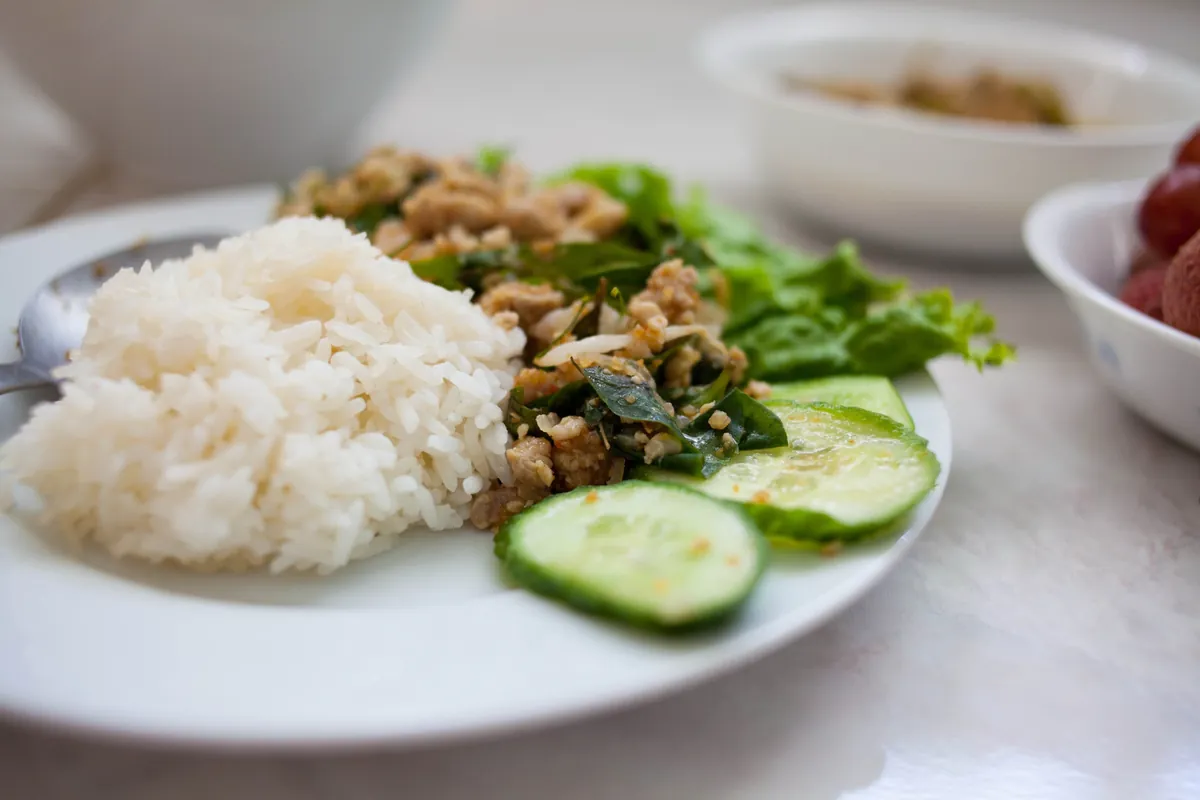
唐辛子ペースト(พริกลาบ)などの香辛料と和えた鶏ひき肉のラープ(ลาบ)。ラープはタイ北部(ランナー)等で、肉を細かく刻んで香辛料と和える調理法・料理を指す。苦味変種として別途登録されている dish-larb-khom とは区別される一般的なラープの例。
料理写っているもの: 該当分類群なし(ラープ、刻んだ鶏肉のサラダ状料理)部位・状態: 香辛料と和えた鶏ひき肉のラープを盛り付けた状態
写真: Sodanie Chea/ CC BY 2.0/ 原画像/ 台帳の原画像
写真の範囲と来歴
被写体の確認: 原典の記載による同定。原典説明は「Larb or 'Laab' is a semi salty and spicy dish. It's minced meat mixed with lots of different spices, and vegetables.」。地域(ラオス/タイ北部いずれの様式か)の明記はない。
掲載画像: Wikimedia Commons の原寸ファイルを取得後、苦味研究所にて sips で長辺2400px程度に縮小。切り抜き・色調変更なし。 表示用には幅1200px上限のWebPを配信し、台帳の原画像は上のリンクから確認できます。
料理 / dish-larb
このページの内容(8 節)
苦味を読む
ラープ(ลาบ、方言でフルー หลู้とも)は、北タイ(ランナー)の伝統的な調理法を指す語である。食文化観光に関する2022年のレビュー論文は、ランナー地方の調理法を10種に分類した先行研究を引きつつ、ラープ/フルーを『肉などを細かく刻み、プリックラープと呼ばれる調味料(唐辛子ペースト)で味付けする調理法』と紹介している。この10分類自体は3件の先行資料に基づくとされ、レビュー独自の一次的な検証は行われていない。
同レビューは、ランナーの食文化と結びつく5つの民族集団(タイルー・タイクン・タイユアン・タイルア・タイヨーン)を対象とした先行研究を引用し、ラープとゲーンホーは『価値観(ค่านิยม)』に根ざした料理として位置づけられ、重要な機会に食されることが多いと紹介している。ただしこの分類は孫引きであり、引用元の一次資料はこのwaveでは独自に確認していない。
北タイ方言の食名研究(2022年)は、ラープを指す語として、性別を対比させた語のペア「ラーププー(ลาบปู๊)」と「ラープメー(ลาบแม่)」を分析している。ラーププー(『祖父・男性』のラープ)は生のラープを指し、肉を手で細かく刻む力仕事を要することから祝祭など重要な機会に主に男性が食してきたとされる。一方ラープメー(『母』のラープ)は加熱調理したラープを指し、女性や子どもと結びつけられるという。同研究は語彙意味論の分析であり、実際の喫食パターンを検証したものではない。
ラープの調味には、プリックラープと呼ばれる唐辛子ペーストが用いられる。行政の普及啓発資料は、北タイ風ラープの際立った風味と香りは、このプリックラープに加えられる香辛料マカーウェン(มะแขว่น)が『主役(ตัวชูโรง)』となって生まれると説明する。また北部高地のパンマオー集落の資料は、ディーグーワー(ดีงูหล้า)という植物の花や若葉を、焼く・湯通しするなどして、ナムプリック(唐辛子ディップ)やラープと共に食する習慣があると記している。
この説明の根拠
การท่องเที่ยวเชิงอาหารพื้นบ้านล้านนา (Lanna Gastronomy Tourism)
この本文で確認した範囲: 肉を刻みプリックラープで味付けする調理法の定義を確認した/5民族集団における価値観に根ざす料理という位置づけを確認した
この本文で確認した範囲: 性別対比によるラーププー・ラープメーの語義分析を確認した
"มะแขว่น" สุดยอดเครื่องเทศล้านนา อร่อยลิ้นชา นานาประโยชน์
この本文で確認した範囲: マカーウェンがプリックラープの主役とする記述を確認した
ดีงูหล้า (องค์ความรู้เพื่อการพัฒนาพื้นที่สูงอย่างยั่งยืน)
この本文で確認した範囲: ディーグーワーをラープと共に食する習慣の記述を確認した
別名: ลาบ(th)、larb(th-Latn)
構造化された主張 — 節を開くと、主張ごとの確度・根拠・限界が読めます
加工・調理でどう変わる(3)
範囲: Lanna (Northern Thai) traditional food classification, in a gastronomy-tourism review citing a 10-category classification of Northern Thai cooking methods
注記: Review article synthesis, itself citing รัตนา พรหมพิชัย (2542), สำนักงานพัฒนาเศรษฐกิจจากฐานชีวภาพ (2552), and a Chiang Mai University library resource for the 10-category classification; not independently verified beyond the review's own presentation.
データを表示
dish-larb —is_defined_as→ "ลาบ/หลู้ เป็นวิธีการปรุงอาหารโดยการสับให้ละเอียด ได้แก่ เนื้อสัตว์ เพื่อนำไปปรุงกับเครื่องปรุงที่เรียกว่าพริกลาบ (Larb/lu is a cooking method: finely mincing/chopping meat, then seasoning it with a chili-paste mix called phrik larb.)"範囲: Northern Thai (Lanna) larb, general (not larb khom specifically)
注記: Extension/agricultural-outreach page, not a recipe study with measured proportions; general statement about Northern larb, does not specifically name dish-larb-khom.
データを表示
ingredient-makhwaen-fruit —is_used_in→ dish-larb範囲: Community knowledge page for a highland community (ชุมชนปางมะโอ), Northern Thailand
データを表示
organism-dee-ngu-wa —is_traditionally_paired_with→ dish-larb文化(2)
範囲: Lanna food culture, 8 northern Thai provinces
注記: Secondary citation chain: the review article attributes this classification to ทัศนีย์ อารมณ์เกลี้ยง and สุภาพ ฉัตราภรณ์ (2557); that primary source was not independently retrieved.
データを表示
dish-larb —has_cultural_role_of→ "ลาบ and แกงโฮะ are classed among Lanna foods tied to ค่านิยม (cultural values), eaten on important/festive occasions (โอกาสสำคัญ), per a review's citation of a study on 5 ethnic groups connected to Lanna food (ไทลื้อ ไทเขิน ไทยวน ไทลัวะ ไทยอง)."範囲: Northern Thai dialect food-naming semantics
注記: Linguistic/semantic-field analysis, not a culinary or nutritional source; the study cites ธเนศวร์ เจริญเมือง (2562) for the gendered division of raw/cooked larb consumption. PDF text extraction has font-encoding artifacts (custom Thai font); this claim is paraphrased rather than quoted verbatim to avoid propagating encoding errors.
データを表示
dish-larb —has_variant→ "A Northern Thai dialect lexical-semantics study analyzes the food names ลาบปู๊ and ลาบแม่ as a gendered antonym pair: ลาบปู๊ ('grandfather's/male larb') denotes raw larb, traditionally eaten by men especially at festive/ceremonial occasions and requiring physical strength to finely mince the meat by hand; ลาบแม่ ('mother's larb') denotes cooked larb, associated with women and children."